Várzea Grande, Brazil
- 249,752 people
- 8 places to visit
- -15.6505, -56.1355
Places to Visit (8)
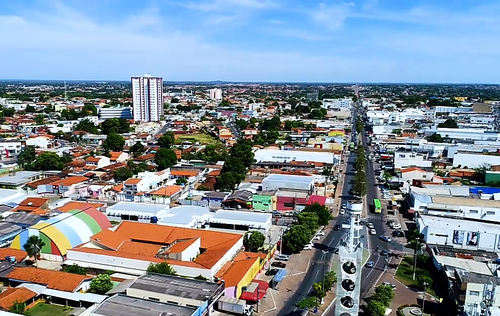
Várzea Grande is a vibrant city located in the state of Mato Grosso, Brazil. Established in the late 19th century, it quickly grew as a significant hub due to its strategic position adjacent to the capital city of Cuiabá, which lies across the river. With a population exceeding 300,000 residents, Várzea Grande stands as the second-largest city in the state, playing a pivotal role in the economic and cultural landscape of the region. The city’s name, meaning "Wide Valley" in Portuguese, reflects its geographical setting along the banks of the Cuiabá River, which shapes its natural environment and economy.
Várzea Grande boasts a diverse economy, heavily influenced by agriculture, commerce, and services. The city serves as a commercial center for surrounding agricultural lands, where products such as soybeans, corn, and cattle are prevalent. In addition to agriculture, Várzea Grande has seen growth in industries like trade and manufacturing, bolstered by infrastructure improvements and investments. Public transport, including the city’s proximity to the Marechal Rondon International Airport, facilitates commerce and travel, contributing to its economic dynamism. Cultural activities thrive in Várzea Grande, with numerous festivals and events that highlight the rich traditions of the local population, which includes influences from Indigenous, Portuguese, and African heritage. The combination of economic opportunity, strategic location, and cultural richness positions Várzea Grande as an important city in Brazil’s Central-West region.
Facts about Várzea Grande
- Várzea Grande is part of the Mato Grosso state and is notably recognized as the second-largest city in the state, after the capital, Cuiabá.
- The city was founded on March 19, 1883, and its name translates to 'Big Lowland' in English, reflecting the geographical features of the area.
- Várzea Grande is home to the Marechal Rondon International Airport, which serves as a key transportation hub for the central region of Brazil.
- It is the birthplace of several famous Brazilian athletes, including renowned footballers and volleyball players, contributing to its reputation for sports excellence.
- The city hosts the Pantanal Show, an event that showcases the rich culture and traditions of the Pantanal region, attracting visitors and promoting local crafts.
- Várzea Grande has a diverse economy that includes agriculture, commerce, and industry, with an emphasis on soy production and livestock farming.
- The area is known for its rich biodiversity, being in proximity to the Pantanal wetlands, one of the most significant wetland ecosystems in the world.
- The city maintains a significant historical legacy, with preserved colonial architecture and various historical landmarks that reflect its development over the years.
- Várzea Grande is known for its vibrant festivals, including the Festas de Santo Antônio, which features traditional food, music, and dance, celebrating local culture.
- It is strategically located at the confluence of major highways, making it a logistical center that connects various regions of Brazil efficiently.