Vechta, Germany
- 29,729 people
- 8 places to visit
- 52.7337, 8.2927
Places to Visit (8)
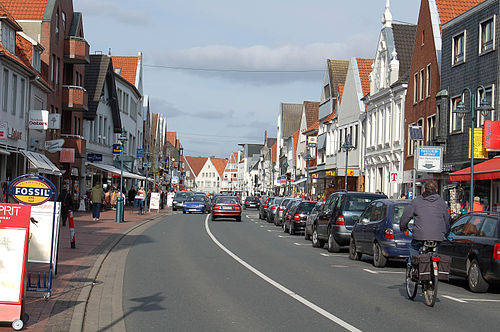
Vechta is a small city located in Lower Saxony, Germany, known for its rich history and vibrant culture. With a population of approximately 36,000 residents, Vechta serves as the administrative center of the Vechta district. The city's history dates back to the 8th century, with significant growth occurring during the Middle Ages. Vechta was formally granted town privileges in 1361 and has since developed into a notable regional hub. Its historical architecture and landmarks reflect the city's evolution, from the St. John's Church, which dates back to the 13th century, to well-preserved half-timbered houses that showcase the traditional building style of the region.
The city is situated in a predominantly agricultural area, which influences its economy. Agriculture, particularly dairy farming, plays a crucial role in Vechta's economic landscape. The area is also known for its livestock trade, with the annual Vechta Agricultural Fair drawing participants and visitors from across the region. Education is another key aspect of Vechta's community, with several institutions, including the University of Applied Sciences and various vocational schools that contribute to a skilled workforce. Furthermore, Vechta is recognized for its commitment to social welfare and community services, providing ample resources for families and individuals. The city also has a vibrant cultural scene, with events like the Vechta Christmas Market and various local festivals that enhance community engagement and celebrate local traditions. Overall, Vechta combines historical significance with modern amenities, making it an attractive place for residents and visitors alike.
Facts about Vechta
- Vechta is known for its rich agricultural history and is sometimes referred to as the 'Cattle City' due to its significant role in livestock trading.
- The town hosts the annual 'Vechtaer Markttage', a traditional market fair that dates back over 400 years, showcasing the region's local produce and crafts.
- Vechta is home to the historic Church of St. John's (Johanneskirche), which features remarkable medieval architecture and art.
- The Vechta Castle, built in the 16th century, is a unique landmark and now serves as an important cultural and educational center.
- Unlike many other German cities, Vechta has retained a strong focus on rural culture and community events, making it distinct in urban style.
- Vechta has a notable horse breeding tradition, recognized by the establishment of the 'Vechta Science & Research Center for Equine Science'.
- The town was one of the key locations in the history of the 'Holy Roman Empire', particularly during the 16th century.
- Vechta hosts the 'Stadtfest', an annual city festival that celebrates local culture with music, food, and various activities reflecting the local community's spirit.
- The city is also recognized for its commitment to sustainability and environmental protection, being part of various ecological initiatives.
- Vechta's local cuisine, which includes traditional dishes featuring local ingredients like potatoes and dairy, offers a unique taste distinct from other regions in Germany.