Vélez-Málaga, Spain
- 74,190 people
- 12 places to visit
- 36.7799, -4.1005
Places to Visit (12)
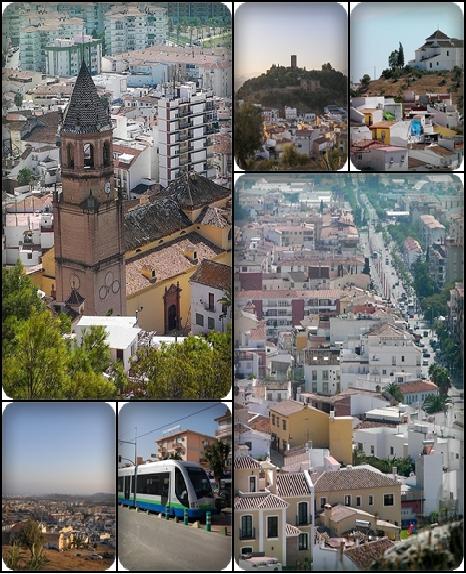
Vélez-Málaga is a historical city located in the province of Málaga, in the autonomous community of Andalusia, southern Spain. Situated approximately 30 kilometers northeast of the city of Málaga and close to the Mediterranean coast, Vélez-Málaga serves as the capital of the Axarquía region. The city, with a population of around 80,000 residents, boasts a rich cultural heritage influenced by various civilizations, including the Phoenicians, Romans, and Moors. This diverse history is reflected in its architecture and city layout, particularly in the old town, where narrow winding streets, whitewashed buildings, and stunning viewpoints abound.
At the heart of Vélez-Málaga lies the iconic 16th-century church, Nuestra Señora de la Encarnación, which features a striking tower and intricate Baroque altar. Other notable landmarks include the remains of the Moorish castle, Alcazaba, offering panoramic views of the surrounding landscape, as well as the 17th-century convent of San Francisco. The city's historical significance is also manifest in its proximity to ancient sites such as the Roman ruins of "Detunda," which showcase the area's extensive past. Vélez-Málaga is not only a cultural hub but also serves as a gateway to the nearby beaches of Torre del Mar and the natural beauty of the surrounding countryside, including the Sierra de Almijara mountains.
In addition to its historical and cultural attractions, Vélez-Málaga hosts various festivals and events throughout the year, highlighting local traditions and cuisine. The Feria de San Andrés in late November and the Semana Santa (Holy Week) celebrations are particularly renowned, drawing visitors and locals alike. The local gastronomy features a blend of Mediterranean and Andalusian flavors, with specialties such as espetos de sardinas (grilled sardines) and postres de castañas (chestnut desserts) frequently enjoyed by residents and tourists. With its captivating blend of history, culture, and natural beauty, Vélez-Málaga presents a unique destination for those seeking to explore the heart of Andalusia.
Facts about Vélez-Málaga
- Vélez-Málaga is known for its rich cultural heritage and has been inhabited since prehistoric times, with significant Roman and Moorish influences evident in its architecture.
- The city is home to the Alcazaba, a Moorish fortress built in the 11th century, which offers panoramic views of the surrounding area and is a prominent historical landmark.
- Vélez-Málaga hosts the annual 'Feria de la Virgen de la Paz,' a vibrant festival dedicated to its patron saint, featuring parades, traditional music, and dance, reflecting the local customs and community spirit.
- The city is located in the Axarquía region, which is renowned for its subtropical climate, making it one of the few areas in Europe ideal for growing tropical fruits such as avocados and custard apples.
- Vélez-Málaga has a historic old town with narrow streets and traditional whitewashed houses, showcasing the typical Andalusian architectural style that differentiates it from other Spanish towns.
- The 'Museo de Vélez-Málaga' features a diverse collection of archaeological artifacts, including items from the Roman and Moorish periods, highlighting the city's extensive historical background.
- The local cuisine of Vélez-Málaga includes unique dishes such as 'ajoblanco,' a cold almond soup, and 'berza,' a traditional stew that reflects the Andalusian culinary heritage.
- Vélez-Málaga is recognized for its artisan production of pottery and ceramics, continuing a tradition that dates back to the Moorish period and distinguishing it from other local crafts.
- The city plays a significant role in the production of quality wines, being part of the 'Málaga' wine region, which is known for its sweet wines and winemaking history.
- Vélez-Málaga is strategically located near the Mediterranean coast, providing easy access to both beautiful beaches and the picturesque Sierra Tejeda mountains for outdoor activities.