Velletri, Italy
- 52,911 people
- 4 places to visit
- 41.6835, 12.7784
Places to Visit (4)
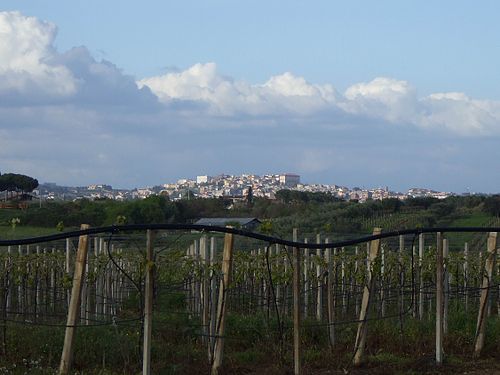
Velletri is a historic town located in the province of Rome, within the Lazio region of Italy. Nestled on the volcanic hills of the Castelli Romani area, approximately 40 kilometers southeast of Rome, Velletri boasts a rich cultural heritage and a picturesque landscape characterized by rolling hills, vineyards, and olive groves. With a population of around 50,000, the town has maintained its charm and offers a blend of ancient history, architectural beauty, and modern amenities. Velletri is strategically positioned along the ancient Roman route, the Via Appia, which historically connected Rome to the southern regions of Italy, making it an important settlement throughout the centuries.
The town's history dates back to ancient times, as it is believed to have been founded by the Volsci, an Italic tribe. Velletri was later annexed by the Romans and flourished during the Empire. Several archaeological sites and remnants of Roman structures, such as the remains of a theater and ancient walls, can still be observed in the area. The town's centerpiece is its stunning cathedral, the Duomo di San Clemente, which combines Romanesque and Baroque architectural styles. Additionally, Velletri is known for its numerous palaces, churches, and art pieces, including works by prominent Italian artists. The local economy is primarily based on agriculture, particularly the cultivation of grapes for wine production, which is complemented by other artisanal products that reflect the town's culinary traditions.
Culturally vibrant, Velletri hosts various festivals and events throughout the year, celebrating local traditions, food, and wine. The annual "Sagra dell'Uva" (Grape Festival) is particularly popular, attracting visitors from surrounding areas to enjoy local wines and produce. Velletri's proximity to Rome also makes it an attractive destination for those seeking a quiet retreat while being close to the capital's historical and cultural attractions. As a result, Velletri effectively embodies the beauty and essence of Italy's regional towns, offering a glimpse into its rich past and vibrant present.
Facts about Velletri
- Velletri is known for its rich agricultural heritage, particularly its production of wine and figs, contributing significantly to the local economy.
- The city boasts an ancient Roman amphitheater, which is one of the few remnants of its historical importance during the Roman Empire.
- Velletri has a unique position on the Alban hills, providing breathtaking views of the surrounding countryside and contributing to its appeal as a tourist destination.
- The city is home to the Basilica di Santa Maria Maggiore, a beautiful church renowned for its stunning Baroque architecture and intricate frescoes.
- Velletri hosts the 'Palio del Rione,' a traditional historical festival that features a horse race, reenactments, and various cultural activities reflecting the city's medieval past.
- It is said that Velletri was founded by the Volsci tribe, making it one of the ancient settlements in the region with a history that dates back thousands of years.
- The city hosts an annual olive oil festival, highlighting the local olive oil production that is celebrated for its quality and flavor.
- Velletri is often overshadowed by nearby cities like Rome and Frascati, giving it a more relaxed atmosphere with fewer tourists while still being rich in culture.
- Famous for its picturesque historic center, Velletri features narrow cobblestone streets and charming piazzas that reflect its long history.
- The city is recognized for its contributions to Italian literature, being the birthplace of notable authors such as the poet and playwright Giovanni Battista Marini.