Vénissieux, France
- 57,584 people
- 12 places to visit
- 45.6996, 4.8845
Places to Visit (12)
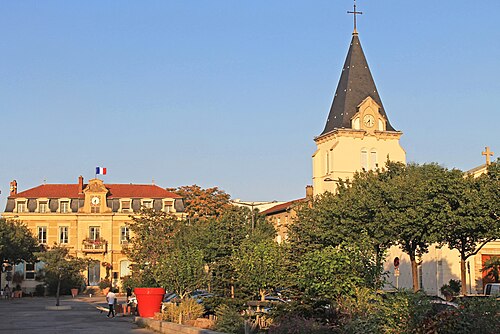
Vénissieux is a vibrant suburb located in the eastern part of Lyon, France, situated approximately 10 kilometers from the city center. With a population of around 36,000 inhabitants, it ranks as one of the largest suburbs in the Auvergne-Rhône-Alpes region. The city's history dates back to Roman times, evidenced by archaeological discoveries that reveal its long-standing significance in the area. It developed significantly during the 20th century, particularly after World War II, when it became a hub for industrial activity and residential development, attracting workers from various backgrounds and contributing to its multicultural identity.
Vénissieux is characterized by its mix of urban environments, green spaces, and historical architecture. The city is not only home to industrial sites but also features several parks and recreational areas, offering residents a pleasant living environment. Notable landmarks include the Church of Saint-Maurice, known for its remarkable stained-glass windows and architectural beauty, and the Vénissieux City Hall, which showcases the city's historical evolution. The city also supports various cultural initiatives, with theaters, art galleries, and community events that promote local talent and foster a sense of belonging among its diverse populace.
Transportation in Vénissieux is well-developed, with easy access to Lyon via the metro, bus services, and the tram line. This connectivity allows residents to commute quickly to the city center, making it an attractive location for those who work in Lyon but prefer a suburban lifestyle. In recent years, local authorities have focused on urban renewal projects and sustainability initiatives to improve the quality of life for residents while preserving the city's rich cultural heritage. Vénissieux, with its industrial roots and evolving identity, continues to be an integral part of the Lyon metropolitan area, balancing modernization with its historical legacy.
Facts about Vénissieux
- Vénissieux is known for its rich industrial history, particularly in the fields of textiles and manufacturing during the 19th and early 20th centuries.
- The city is home to the historic Parc Paul Mistral, which features a variety of recreational areas and is a popular spot for residents and visitors alike.
- Vénissieux has one of the largest public housing projects in France, which reflects the city's commitment to social housing and community development.
- The city is located just south of Lyon and is considered part of its metropolitan area, creating a unique blend of urban and suburban culture.
- Vénissieux has a diverse population with a significant proportion of residents from North African and Sub-Saharan backgrounds, contributing to its multicultural atmosphere.
- The city hosts the annual 'Fête de l'Humanité' festival, which celebrates cultural diversity and showcases various artistic performances.
- Vénissieux is home to the historical Saint Maurice Church, a notable example of 19th-century neo-Gothic architecture in the region.
- The city’s 'Cité des Étoiles' is a notable urban renewal project that aims to enhance the living conditions and environment for residents.
- Vénissieux has a strong emphasis on sustainable development, with initiatives focused on green spaces, eco-friendly transport, and community gardens.
- The city's proximity to Lyon allows residents to benefit from the cultural and economic opportunities of one of France's largest cities while enjoying a quieter suburban lifestyle.