Verdun, France
- 21,798 people
- 12 places to visit
- 49.1599, 5.3844
Places to Visit (12)
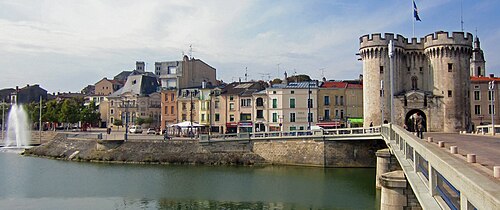
Verdun is a commune in the Meuse department in northeastern France, renowned for its historical significance, particularly during World War I. Situated along the banks of the Meuse River, Verdun has a rich history that dates back to the Roman Empire, showcasing its strategic importance throughout the ages. The city became a focal point during the Great War, particularly noted for the Battle of Verdun, which took place from February to December 1916. This battle was one of the longest and costliest in the war, symbolizing the severe human suffering and massive military engagement that characterized the conflict. The French forces, under the command of General Philippe Pétain, aimed to hold the line against the German offensive, leading to significant casualties on both sides.
Today, Verdun serves as a memorial to the sacrifices made during the war, with numerous monuments, cemeteries, and sites of remembrance that draw visitors from around the world. Among these, the Verdun Memorial and the Douaumont Ossuary stand out, commemorating the lives lost and the resilience of the city and its people. The city itself features a blend of historical architecture and modern public spaces, reflecting its recovery and revitalization following the destruction of war. In addition to its historical accounts, Verdun is located in a picturesque area with rolling hills and forests, which offer opportunities for outdoor recreation and exploration. The strong sense of remembrance and peace that envelops Verdun makes it not only a significant historical site but also a place of reflection for generations to come.
Culturally, Verdun hosts various events and festivals, fostering community spirit and attracting tourists. Its location also provides easy access to other notable sites in the Lorraine region. The city's economic activities have diversified, focusing on tourism while maintaining a connection to its historical roots. Today, Verdun embodies both a poignant past and a hopeful future, serving as a lasting testament to resilience in the face of adversity and a reminder of the importance of peace in post-war Europe.
Facts about Verdun
- Verdun is famously known for the Battle of Verdun, one of the largest and longest battles of World War I, which lasted from February to December 1916.
- The city is home to the Verdun Memorial, which honors the soldiers who fought in the battle, making it a significant site of remembrance in France.
- Verdun features the Ossuary of Douaumont, which contains the remains of 130,000 soldiers who died in the battle, symbolizing the immense loss of life.
- The fortified city of Verdun played a crucial role during the Franco-Prussian War in 1870, showcasing its military significance in both conflicts.
- The city is situated on the banks of the Meuse River, providing beautiful natural landscapes that distinguish it from many other historic French cities.
- Verdun is the only French city with a nationwide motto that reflects its historical resilience: 'They shall not pass', echoing the sentiment from the Battle of Verdun.
- In addition to its historical sites, Verdun hosts annual events such as the 'Festival du Chemin de la Mémoire', which commemorates the events of World War I.
- The city is also known for its unique culinary specialties, including 'pâté de Verdun', a traditional meat pie that reflects local gastronomy.
- Verdun served as a critical defense position during both World Wars, making it a focal point for military strategy and planning.
- The Citadel of Verdun, a remarkable example of military architecture, attests to the city's historic role in French defense systems.