Vernon, France
- 26,037 people
- 9 places to visit
- 49.092, 1.4881
Places to Visit (9)
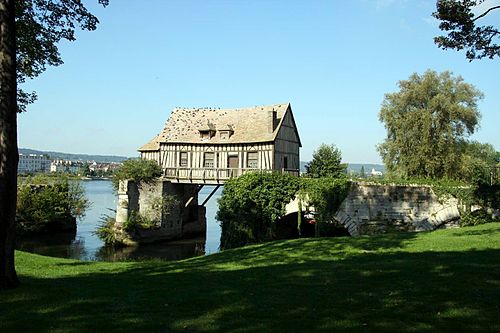
Vernon is a charming commune located in the Eure department in the Normandy region of northern France. Positioned on the banks of the Seine River, approximately 50 kilometers (31 miles) west of Paris, Vernon serves as a gateway to the picturesque landscapes of Normandy. The town is known for its rich history, which dates back to the Roman era, and it played a significant role during the Middle Ages, particularly due to its strategic location and proximity to the neighboring city of Giverny, home to the famous impressionist painter Claude Monet.
The town boasts a variety of well-preserved historical buildings, including the Church of Notre-Dame, a stunning example of Gothic architecture with its impressive stained glass windows and intricate stonework. Visitors can also explore the 16th-century Château de Bizy, often referred to as the "Versailles of Normandy," which features exquisite gardens and fountains reminiscent of French grand estate design. The vibrant riverside promenade along the Seine offers scenic walks and opportunities for boat excursions, allowing visitors to appreciate the natural beauty that has inspired artists and writers for centuries.
Vernon also plays host to several annual festivals and cultural events, reflecting its dynamic community spirit. The town has a lively marketplace that draws locals and tourists alike, offering a range of fresh produce, artisanal goods, and regional delicacies. Its proximity to major attractions, such as Monet's Garden at Giverny and the historic sites of Rouen, makes Vernon an appealing destination for travelers seeking to experience the essence of Normandy. With its blend of historical charm and natural beauty, Vernon stands out as a unique and inviting ciudad within France.
Facts about Vernon
- Vernon is known for its stunning medieval architecture, particularly the Church of Notre-Dame, which features a striking wooden nave and ornate stained glass.
- The city is located on the Seine River, making it a picturesque spot that has inspired many artists, including Claude Monet, who painted scenes of the city and its surroundings.
- Vernon is home to the iconic Château des Tourelles, a 15th-century castle that showcases the town's rich history and serves as a cultural center.
- The city is in close proximity to the famous Giverny, the home of Impressionist painter Claude Monet, making Vernon a popular base for visitors to this artists' village.
- Vernon's unique half-timbered houses, known as 'colombages,' reflect the traditional architecture of Normandy and set it apart from many other French towns.
- The city hosts an annual festival called 'Festival des Arts de la Rue,' celebrating street art and offering performances that highlight local talent.
- Vernon was a significant location during the French Revolution, serving as a meeting point for revolutionary leaders and events.
- The town's vibrant market, held weekly, showcases local produce and crafts, drawing both locals and tourists, which adds to its charm and community spirit.
- Vernon has been designated as a 'City of Art and History' by the French government, recognizing its cultural heritage and artistic significance.
- The city has a number of preserved historic sites, including the ancient Romanesque tower and remnants of 13th-century city walls, distinguishing it from many modernized French cities.