Véroia, Greece
- 44,464 people
- 6 places to visit
- 40.5194, 22.2052
Places to Visit (6)
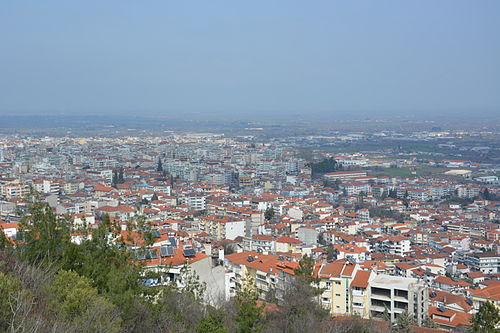
Véroia, located in northern Greece, is the capital of the Imathia regional unit in the region of Central Macedonia. Renowned for its rich history that dates back to ancient times, Véroia was originally known as Beroea and played a significant role during the Hellenistic period. The city is particularly noted for its connections to Apostle Paul, who stopped there during his missionary journeys, as documented in the New Testament. Archaeological sites, such as the ancient theater, the ruins of the Roman Agora, and several early Christian monuments, testify to Véroia's historical significance and attract visitors interested in its cultural heritage.
Modern Véroia is characterized by a blend of contemporary life and historical charm. The city's architecture reflects various influences, with buildings showcasing Byzantine, Ottoman, and modern designs. Véroia's vibrant central square, Plateia Dimarchou, serves as a social hub, where residents and visitors alike gather to enjoy local cafes and shops. The city is also famous for its traditional crafts, particularly weaving and the production of local delicacies like "bougatsa," a savory or sweet pastry. The surrounding landscape is picturesque, nestled between lush hills and fertile valleys, which enhances its appeal as a destination for nature enthusiasts. Véroia's strategic location provides easy access to several natural attractions, including Mount Vermio and the nearby ski resorts, making it a perfect spot for outdoor activities throughout the year.
Facts about Véroia
- Véroia, also known as Berea, is historically significant as it is mentioned in the New Testament, where the Apostle Paul preached.
- The city is renowned for its rich Byzantine history, featuring numerous historic churches, many of which are UNESCO World Heritage sites.
- Véroia is famous for its unique 'Vergina Sun' symbol, derived from the nearby ancient royal tombs of Vergina, which is associated with the Macedonian dynasty.
- It has a distinctive multicultural heritage, influenced by various civilizations, including the Romans, Byzantines, and Ottomans.
- Véroia hosts the annual 'Berea Festival', celebrating its cultural heritage with music, theater, and local crafts.
- The city is well-known for its traditional architecture, especially the preserved old neighborhoods featuring notable mansions and narrow alleys.
- Véroia is situated near Mount Vermio, a popular destination for outdoor activities and winter sports, differentiating it from other cities in Greece.
- The city is recognized for its delicious local cuisine, particularly for its traditional dishes such as 'kavourmas' and 'boureki'.
- Véroia has a strong basketball culture and is home to the prominent professional team, Aris Veroia BC, contributing to the city's sports identity.
- The ancient theater of Véroia continues to be a significant archaeological site, showcasing the city's importance during the Hellenistic period.