Versailles, France
- 85,416 people
- 12 places to visit
- 48.8014, 2.1301
Places to Visit (12)
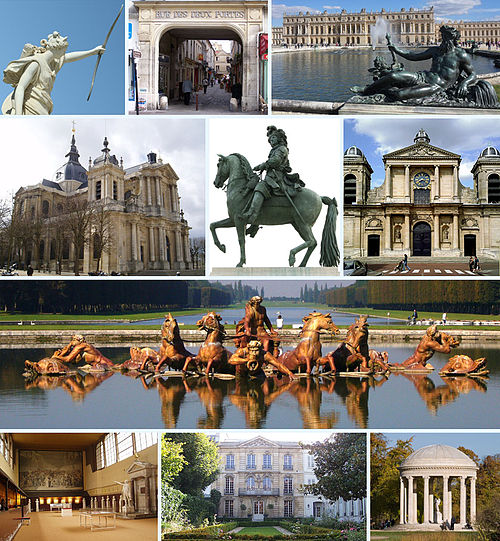
Versailles, situated just 20 kilometers southwest of Paris, is a city in the Yvelines department of France, renowned primarily for its historical significance and stunning architecture. Most famously, it was the site of the Palace of Versailles, a symbol of the absolute monarchy of the Ancien Régime. Originally a hunting lodge for King Louis XIII, the palace was transformed by his son, Louis XIV, in the 17th century into a magnificent royal residence. The elaborate complex, characterized by its opulent gardens, grand Hall of Mirrors, and intricate interior rooms, became the center of political power in France until the French Revolution in 1789. Today, it is a UNESCO World Heritage Site, attracting millions of visitors each year who come to admire its baroque and classical architecture and to explore the vast gardens designed by landscape architect André Le Nôtre.
Beyond its royal roots, Versailles also has a vibrant contemporary culture. The city features a mix of restaurants, boutiques, and cultural institutions. The Marché de Versailles, a large food market, offers a taste of local flavors and products, encapsulating the essence of French culinary tradition. The city is home to various museums, including the Museum of French History, which showcases the country's rich heritage. In addition to its historical significance, Versailles has maintained a strong sense of community and continues to celebrate local events, such as the Flower Show and the Fête de la Musique, attracting both residents and tourists alike. With its historical allure and lively urban atmosphere, Versailles represents a unique blend of past and present, making it a significant destination for cultural and historical exploration in France.
Facts about Versailles
- The Palace of Versailles, a UNESCO World Heritage site, is famous for its opulent architecture and beautiful gardens, setting it apart from other French towns.
- Versailles was the royal residence of King Louis XIV, who transformed it into a symbol of absolute monarchy and grand French art during the 17th century.
- The Hall of Mirrors in the Palace is renowned for its breathtaking design and historical significance, hosting the signing of the Treaty of Versailles in 1919.
- Versailles hosted numerous important political events, including the Estates-General of 1789, which contributed to the outbreak of the French Revolution.
- The city was originally a small village before Louis XIV chose it as the site for his grand palace, emphasizing its unique evolution from a humble place to a center of power.
- Versailles is uniquely known for its expansive gardens, designed by landscape architect André Le Nôtre, featuring fountains, sculptures, and meticulously trimmed hedges.
- The Grand Trianon and Petit Trianon, distinct palaces within the park of Versailles, reflect the personal tastes of the royals and differ from the main palace's grandeur.
- Versailles actively contributed to the development of the French Enlightenment, with philosophers like Voltaire and Rousseau frequenting the court.
- The city holds an annual event called the 'Grandes Eaux Musicales', during which the fountains of Versailles are choreographed to classical music, drawing visitors from around the world.
- Versailles is the site of several historical statues, including the statue of Louis XIV located in the Place d'Armes, which symbolizes the city's royal heritage.