Veszprém, Hungary
- 56,927 people
- 12 places to visit
- 47.1028, 17.9093
Places to Visit (12)
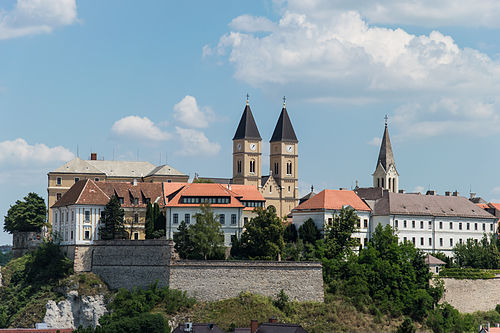
Veszprém is a historic city situated in western Hungary, known for its rich cultural heritage and picturesque landscapes. As one of the oldest urban centers in Hungary, Veszprém dates back to the Roman era, with archaeological evidence suggesting its establishment around the 1st century AD. The city is nestled at the foot of the Bakony Mountains, providing a stunning backdrop of natural beauty that complements its architectural charm. Veszprém played a significant role in Hungarian history; it served as the seat of a diocese since the founding of the Christian state in the year 1000. This long-standing ecclesiastical importance is reflected in the city's many religious sites, including the iconic Veszprém Cathedral, a prime example of Romanesque architecture that has undergone several restorations over the centuries.
The city is characterized by its charming narrow streets, vibrant cultural scene, and numerous festivals throughout the year. The Baroque-style Castle District, with its cobbled streets and historic structures, offers panoramic views over the surrounding region and is a popular tourist destination. Veszprém is also renowned for its cultural offerings, including the annual VeszprémFest, which showcases a variety of music genres and attracts artists and audiences from around the world. Additionally, the city is a center for education and research, home to the University of Veszprém, established in 1962, which has contributed to the city’s youthful atmosphere. The local economy thrives on tourism, education, and services, reflecting a blend of historical significance and modern development.
Veszprém's unique combination of history, culture, and natural beauty has earned it recognition as a jewel of Hungary. It is part of the UNESCO World Heritage Site designation for the Early Christian Necropolis of Pécs (Sopianae) and is also close to Lake Balaton, one of the largest lakes in Central Europe, adding to its appeal as a travel destination. As it continues to evolve while preserving its heritage, Veszprém remains an essential part of Hungary’s national identity, attracting visitors and scholars alike who seek to experience its unique charm and historical depth.
Facts about Veszprém
- Veszprém is one of the oldest cities in Hungary, often referred to as the 'City of Queens' due to its historical connection with Hungarian royalty, particularly the queens of the Árpád dynasty.
- The Veszprém Castle, a UNESCO World Heritage site, is a prominent landmark that dates back to the 10th century, serving as a royal residence and later as a bishopric center.
- Veszprém is known for its unique 'Castle Hill' area, featuring narrow streets, Baroque buildings, and a picturesque view of the surrounding landscape, offering a distinct charm compared to other Hungarian cities.
- The city is home to the Veszprém Zoo, which is renowned for its efforts in wildlife conservation and has been a favorite destination for families since its establishment in 1968.
- Each summer, Veszprém hosts the popular 'VeszprémFest', one of Hungary's most significant cultural events, showcasing a range of music genres and attracting international artists and performers.
- Veszprém is recognized as the 'Cultural Capital of the County', featuring multiple museums, galleries, and cultural institutions, fostering a vibrant arts scene that distinguishes it from other cities.
- The Veszprém Wine Region is famous for producing high-quality wines, particularly the acclaimed white wines made from the local Olaszrizling and Furmint grape varieties.
- The city also celebrates its rich musical heritage with the annual Veszprém Music Festival, which emphasizes classical music and promotes local and international talents.
- Veszprém has a significant student population due to the presence of the Pannon University, which contributes to the city's youthful atmosphere and innovative spirit.
- The city boasts unique architectural elements, such as the St. Michael’s Cathedral and the Fire Tower, which reflect different historical periods and architectural styles, offering a distinct character compared to other Hungarian towns.