Viamão, Brazil
- 285,269 people
- 6 places to visit
- -30.0828, -51.0341
Places to Visit (6)
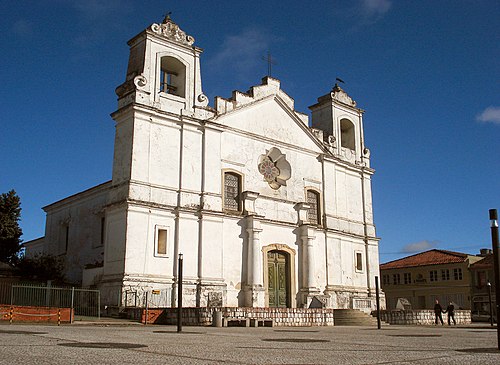
Viamão is a municipality located in the southern Brazilian state of Rio Grande do Sul, situated approximately 20 kilometers east of Porto Alegre, the state capital. Founded in 1737, Viamão has a rich historical background, originally established as a strategic settlement for the Portuguese during the colonial period. The city is known for its significant cultural heritage, including various historic churches and buildings that reflect the colonial architecture typical of the region. The name "Viamão" derives from the Latin “via manu,” meaning "road by hand," indicative of its early importance as a transport hub connecting different areas.
The local economy of Viamão is diverse, with key sectors including agriculture, commerce, and services. The region benefits from fertile land, allowing for the cultivation of crops such as tobacco, corn, and rice, which are vital to the local agricultural sector. As urban development has progressed, Viamão has seen an increase in residential and commercial areas, contributing to its growing population, which is estimated to be over 300,000 residents. Additionally, the city features various social and educational institutions, promoting community development and enhancing quality of life for its inhabitants.
Viamão is also notable for its natural beauty, featuring parks, lakes, and green spaces that attract both residents and visitors. The city is part of a broader ecological region that includes a variety of flora and fauna, making it a suitable spot for outdoor activities and nature conservation. Cultural events, music festivals, and gastronomic fairs are regularly held, showcasing the city's vibrant cultural scene. With its rich history, economic growth, and natural attractions, Viamão continues to develop as an important municipality in Brazil, balancing modernization with the preservation of its historical and cultural identity.
Facts about Viamão
- Viamão is one of the oldest municipalities in the state of Rio Grande do Sul, officially founded in 1747, which highlights its historical significance in the region.
- The city played a crucial role during the Farroupilha Revolution (1835-1845), a civil war that sought greater autonomy for the southern provinces of Brazil.
- Viamão is known for its unique architectural heritage, including colonial-era churches and houses that reflect the Baroque style, exemplifying the history of settlement in the area.
- The municipality features the Guarani Cultural Center, which promotes the indigenous Guarani culture, showcasing their traditions and history, setting it apart from many other Brazilian cities.
- Viamão is recognized for its natural beauty, with several parks and green areas, including the Parque Natural Morro do Osso, which offers trails and stunning views of the surrounding landscape.
- The city has a significant number of lakes and rivers, including the Sinos River, which contributes to its rich biodiversity and offers recreational activities, distinguishing it from other urban areas.
- Viamão hosts the traditional Festa Nacional do Peixe (National Fish Festival), an annual event celebrating local gastronomy and culture, attracting visitors from various regions.
- The local economy is diverse, with agriculture and livestock farming playing a prominent role, alongside industrial activities, distinguishing it from cities primarily focused on urban or service economies.
- Viamão is also known for its expansive residential areas and growing population, often regarded as a suburb of Porto Alegre, making it a notable example of urban expansion in Brazil.
- The city's public transportation system has developed significantly, connecting it with Porto Alegre and other surrounding towns, which sets it apart in terms of regional integration.