Viana do Castelo, Portugal
- 36,148 people
- 14 places to visit
- 41.6918, -8.8344
Places to Visit (14)
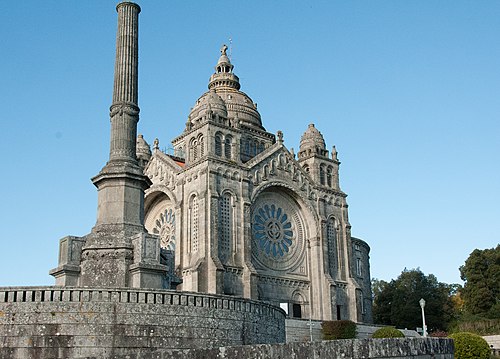
Viana do Castelo is a picturesque city located in the northern region of Portugal, along the Atlantic coast. It serves as the capital of the Viana do Castelo District and is known for its rich history, vibrant culture, and stunning natural landscapes. The city, which lies at the confluence of the Lima River and the Atlantic Ocean, has a population of approximately 35,000 residents and is renowned for its strategic maritime position. Founded in the 12th century, Viana do Castelo has a blend of historical architecture that reflects its medieval origins and later influences, prominently displayed in its well-preserved historical center. Notable landmarks include the iconic Sanctuary of Santa Luzia, which offers panoramic views of the city and surrounding areas, and the impressive 14th-century Church of Our Lady of the Ross. The city's architecture showcases a mix of Gothic, Manueline, and Renaissance styles, making it a hub for heritage enthusiasts.
In addition to its historical significance, Viana do Castelo is celebrated for its maritime culture and traditions. The city has a strong connection to the sea, reflected in its fishing industry and shipbuilding heritage. The vibrant festivals that take place throughout the year, including the Festas de Nossa Senhora da Agonia, highlight the region's folklore, gastronomy, and costumes, drawing both locals and visitors alike. Viana do Castelo is also home to beautiful beaches, such as Praia do Cabedelo, which attracts surfers and sunbathers, and the surrounding natural parks, including the Peneda-Gerês National Park, offer opportunities for outdoor activities such as hiking and cycling. The city is well-connected to other parts of Portugal, thanks to its proximity to major highways and rail links, making it a convenient destination for tourists exploring the northern region.
Economically, Viana do Castelo has evolved from its historical reliance on fishing and shipbuilding to diversify into tourism and other industries. The local economy benefits from its natural resources, including agriculture and forestry, alongside burgeoning sectors like renewable energy, particularly wind and solar power. The combination of a stunning coastal landscape, rich cultural heritage, and a promising economic future positions Viana do Castelo as an attractive destination for visitors and a dynamic place for residents. Today, the city embodies a harmonious blend of tradition and modernity, reflecting Portugal's vibrant cultural tapestry while embracing the prospects of economic growth and sustainability.
Facts about Viana do Castelo
- Viana do Castelo is home to the Sanctuary of Santa Luzia, a beautiful basilica perched on a hilltop that offers panoramic views of the city and the Lima River.
- The city's historic center features a unique blend of Gothic, Manueline, and Baroque architecture, with notable structures like the Church of the Misericórdia and the Municipal Market.
- Viana do Castelo is renowned for its traditional folk costumes, especially during the Romaria da Senhora da Agonia, one of Portugal's most vibrant and colorful festivals held every August.
- The city's location at the mouth of the Lima River gives it a rich maritime history, making it a hub for shipbuilding and fishing, particularly in the Age of Discoveries.
- Viana do Castelo is known for the Pão de Ló de Ovar, a traditional Portuguese sponge cake that originated from the region, exhibiting a unique texture and flavor.
- The city is famous for its hand-woven woolen fabrics called 'Vianesa,' which have been produced for centuries and are known for their quality and intricate designs.
- Viana do Castelo is the only city in Portugal with a large modernist building, the Casa dos Arcos, which incorporates innovative architectural elements from the early 20th century.
- The city's nighttime illumination along the riverfront and its historic buildings create a picturesque and romantic atmosphere that is characteristic of Viana do Castelo.
- Viana do Castelo hosts the Festa de São João, a lively celebration with fireworks and street parties that uniquely blend local traditions with regional customs.
- The city is recognized for its commitment to environmental sustainability, particularly through initiatives that promote eco-tourism and the preservation of natural landscapes.