Viborg, Denmark
- 41,239 people
- 11 places to visit
- 56.452, 9.3963
Places to Visit (11)
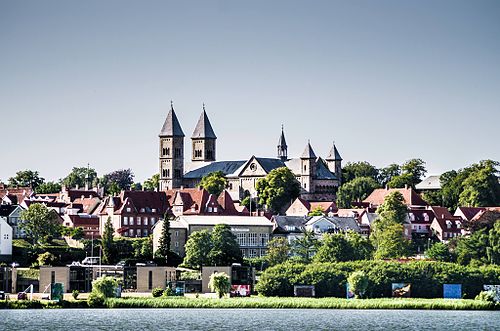
Viborg is a historic city located in central Jutland, Denmark. Known for its rich heritage and picturesque landscapes, it serves as the administrative and cultural hub of Viborg Municipality. With a population of approximately 38,000 residents, Viborg is one of Denmark's oldest cities, dating back over a thousand years. It is notable for its role in the medieval period as a significant ecclesiastical and political center, featuring the imposing Viborg Cathedral, which was originally constructed in the 12th century and boasts a distinctive twin-towered architecture.
The city is characterized by its charming streets, a mix of traditional Danish architecture, and modern amenities. Viborg is home to many museums, including the Viborg Art Museum, which showcases contemporary Danish art, and the Viking Age Museum, where visitors can learn about the city's Viking history and the influence of Norse culture. The lush natural surroundings of the area, including the scenic lakes and forests, make Viborg a popular destination for outdoor activities such as hiking and cycling. Additionally, the annual Viborg Medieval Market reinvigorates the city's history, attracting tourists and locals alike to experience medieval crafts, food, and entertainment.
Viborg's strategic location and well-developed infrastructure make it an important transit point in Denmark, with convenient access to major roads and rail connections linking it to other parts of the country. The city also has a strong educational presence, anchored by the University College of Viborg, which offers various programs in health, education, and social sciences. This blend of historical significance, cultural richness, and modern development contributes to Viborg's appeal as both a residential city and a tourist destination, preserving its heritage while fostering a vibrant contemporary community.
Facts about Viborg
- Viborg is one of Denmark's oldest cities, with roots dating back to the Viking Age, making it a significant historical site in the country.
- The Viborg Cathedral is a notable landmark, originally built in the 12th century, featuring unique Romanesque and Gothic architectural elements.
- Viborg has a historic connection to Denmark's medieval bishops, serving as the seat of the Bishop of Viborg, who held considerable power in the early kingdom.
- The city's landscape is characterized by its two lakes, Nørresø and Søndersø, which are popular for recreational activities and unique wildlife.
- Viborg is known for the annual Viborg Medieval Market, which celebrates the city's history with reenactments, crafts, and food from the medieval period.
- The city houses the Viborg Art Museum, which features a collection of Danish art from the late 19th century to contemporary works, distinguishing it as a cultural hub.
- Viborg is home to the largest working windmill in Denmark, the 'Borre Knude', which symbolizes the city's commitment to renewable energy.
- The 'Viborg Fjord' plays a crucial role in the local economy, facilitating fishing and tourism, and offering scenic views along the coast.
- Viborg has a strong sports culture, particularly noted for the Viborg HK women's handball team, which has achieved national and international success.
- The city has a rich tradition of education, being the location of the first Danish teacher training college, which has contributed significantly to Denmark's educational system.