Vienna, Austria
- 1,691,468 people
- 18 places to visit
- 48.2081, 16.3713
Places to Visit (18)
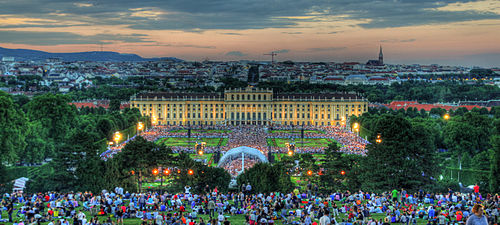
Vienna, the capital city of Austria, is situated in the northeastern part of the country along the Danube River. Known for its rich history and cultural heritage, Vienna has been a significant center of art and politics for centuries. With a population of approximately 1.9 million, it is one of the largest cities in the European Union. Vienna served as the imperial capital of the Habsburg dynasty, which ruled over a vast empire in Central and Eastern Europe. This historical significance is reflected in its stunning architecture, including baroque palaces, grandiose churches, and contemporary structures that coexist harmoniously in the urban landscape. The city’s most famous landmark, St. Stephen's Cathedral, is a prime example of Gothic architecture and attracts millions of visitors each year.
The cultural scene in Vienna is vibrant and diverse, marked by its contributions to music, theater, and art. The city is the birthplace of classical music icons such as Ludwig van Beethoven, Johannes Brahms, and Wolfgang Amadeus Mozart, which has enabled it to earn the nickname “City of Music.” Vienna is home to renowned orchestras, including the Vienna Philharmonic, and venues like the Vienna State Opera, which are pivotal in the world of opera and classical music. Additionally, the city boasts an array of museums, including the Kunsthistorisches Museum and the Belvedere, which house impressive collections of historical and modern art. Vienna’s coffee culture is similarly notable, with traditional coffeehouses that serve as social and cultural hubs, where patrons can enjoy a cup of coffee while immersing themselves in the city's intellectual and artistic atmosphere.
Vienna consistently ranks highly for quality of life, and it is known for its efficient public transportation system, green spaces, and social services. The city's commitment to sustainability is evident in its extensive parks, gardens, and eco-friendly initiatives. Events throughout the year—such as the Vienna Festival, a celebration of music and art, and the Christmas markets—further highlight the city's dynamic character. Whether exploring the historic Ringstrasse, indulging in local cuisine like Wiener Schnitzel, or enjoying a performance at a prestigious venue, visitors to Vienna can experience a city that expertly blends its majestic past with a vibrant, modern life. The city's unique charm and cultural depth make it a must-visit destination in Central Europe.
Facts about Vienna
- Vienna is the capital city of Austria and serves as the country's political, cultural, and economic center.
- The city was the center of the Habsburg Empire, which ruled a significant part of Europe for over 600 years, influencing its architecture and culture.
- Vienna is famous for its historic coffee house culture, recognized by UNESCO as an Intangible Cultural Heritage.
- The Vienna State Opera is one of the leading opera houses in the world and is renowned for its high-quality performances and rich history.
- The city is home to the Vienna Philharmonic Orchestra, one of the most prestigious orchestras globally, known for its annual New Year's Concert.
- Vienna has more than 100 museums, including the Kunsthistorisches Museum, which houses one of the world's finest collections of art and historical artifacts.
- Belvedere Palace in Vienna is a historic building complex that houses the world's largest collection of Gustav Klimt paintings, including 'The Kiss.'
- Vienna has been recognized multiple times as the most livable city in the world, thanks to its excellent infrastructure, public services, and quality of life.
- The city hosts the United Nations Office at Vienna, making it one of the four major offices of the UN worldwide.
- Vienna's historic center, a UNESCO World Heritage Site, features stunning architecture, including St. Stephen's Cathedral, the Hofburg Palace, and numerous Baroque buildings.