Vigo, Spain
- 297,332 people
- 14 places to visit
- 42.2406, -8.7207
Places to Visit (14)
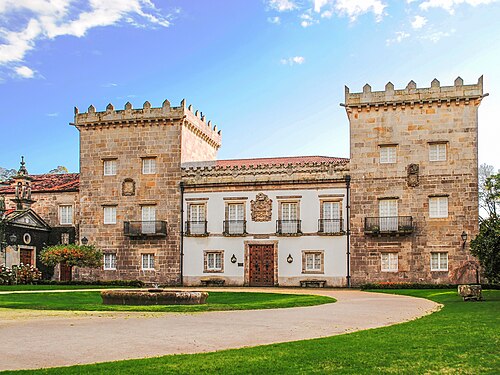
Vigo, a vibrant city located in the northwest of Spain, is part of the autonomous community of Galicia. Nestled along the Atlantic coast, it boasts the largest fishing port in Europe and one of the busiest in the world, reflecting its deep maritime heritage. The city’s economy heavily relies on the fishing and shipbuilding industries, contributing significantly to the region's economic landscape. With a population of approximately 300,000, Vigo stands as the most populous city in Galicia, characterized by a mix of modern infrastructure and historical architecture. The city's skyline is dominated by the prominent Monte do Castro, which offers panoramic views of the city, coastline, and surrounding islands.
Culturally, Vigo is rich in tradition and history, with influences from both Galician and broader Spanish customs. The old town, known as "Casco Vello," features narrow cobbled streets, quaint squares, and notable landmarks such as the 18th-century Church of Santa María, which displays Baroque architecture. Vigo also embraces a vibrant cultural scene, hosting events like the Reconquista Festival that celebrates the city's liberation from French occupation in the 19th century. Culinary offerings in Vigo highlight the region's seafood, with dishes such as octopus a la gallega and a variety of shellfish being local favorites. Moreover, the Ría de Vigo, a scenic estuary, is dotted with the beautiful Cíes Islands, part of the Atlantic Islands of Galicia National Park, attracting nature lovers and tourists seeking outdoor adventures. The city’s blend of economic vitality, historical depth, and natural beauty makes it a unique and captivating destination in Spain.
Facts about Vigo
- Vigo is the largest city in Galicia and the most populous municipality in the autonomous community.
- The city is known for its bustling fishing industry and hosts one of the largest fishing ports in Europe, vital to Spain's seafood exports.
- Vigo boasts the largest maritime festival in Spain, the Semana del Mar, which celebrates the city's rich maritime heritage.
- The Cíes Islands, part of the Atlantic Islands of Galicia National Park, are located just off the coast of Vigo and are famous for their stunning beaches and biodiversity.
- Vigo is home to the oldest and one of the most famous fish markets in Spain, Mercado de la Pedra, which offers a diverse array of fresh seafood.
- The city has a unique blend of urban and natural landscapes, including Mount O Castro, which offers panoramic views of the city and the Ría de Vigo.
- Vigo is known for its strong connections to the maritime and shipbuilding industries, contributing significantly to its economic development.
- It hosts the unique Fiesta de la Reconquista, a historical celebration that commemorates the successful resistance against Napoleonic forces in the early 19th century.
- Vigo's modernist architecture is notable, with the city's urban center featuring numerous buildings designed in the early 20th century, reflecting the city's development during that era.
- The city is also renowned for its vibrant music scene and is the birthplace of various music festivals, including the prominent PortAmérica.