Vila do Conde, Portugal
- 27,642 people
- 15 places to visit
- 41.3517, -8.7479
Places to Visit (15)
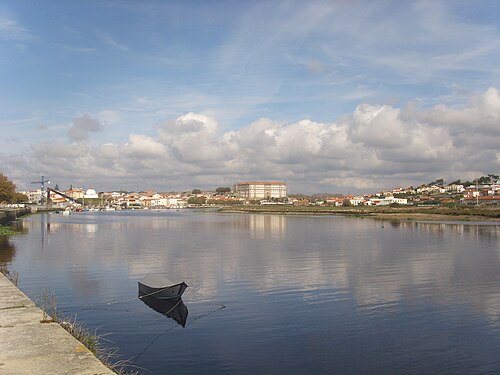
Vila do Conde is a picturesque city located in the northern region of Portugal, specifically in the district of Porto. Situated along the Atlantic coast and bordered by the Ave River, the city has a rich historical background that dates back to ancient times. The area has been inhabited since prehistoric times, and artifacts from the Roman period suggest that it was once an important settlement. Vila do Conde gained prominence during the Age of Discoveries in the 15th and 16th centuries, serving as a maritime center for shipbuilding and trade. The city’s strategic coastal position facilitated expeditions and exploration, contributing to Portugal's status as a global maritime power.
Architecturally, Vila do Conde boasts a blend of historical and contemporary styles. One of the city's most remarkable landmarks is the Igreja Matriz de Vila do Conde, a 16th-century church noted for its magnificent Manueline architecture and intricate interior design. The city is also home to the Monastery of Santa Clara, a well-preserved example of Gothic architecture complemented by Manueline influences. Vila do Conde has a vibrant cultural scene, with numerous arts and music festivals throughout the year, reflecting its rich heritage and community spirit. Alongside its historical aspects, the city offers modern amenities and attractions, including a beautiful coastline with sandy beaches, making it a popular destination for both locals and tourists. The annual São João Festival is a highlight, attracting many visitors who come to celebrate with traditional music, dance, and local gastronomy.
Economically, Vila do Conde has evolved from its maritime roots into a diverse economy that includes textiles, furniture manufacturing, and tourism. The area’s beautiful landscapes, historic architecture, and cultural festivals make it an appealing destination for travelers seeking to explore the rich history and vibrant life of northern Portugal. Additionally, the city's proximity to Porto, approximately 25 kilometers away, enhances its appeal, as visitors can easily access the larger urban area's amenities while enjoying the charm of Vila do Conde. The city, with its deep historical significance, architectural beauty, and cultural richness, is an integral part of the tapestry that composes the region of northern Portugal.
Facts about Vila do Conde
- Vila do Conde is known for its historical connection to the Portuguese Age of Discovery, as it was a significant shipbuilding center in the 15th century.
- The city is home to the iconic Church of Nossa Senhora da Consolação, renowned for its stunning baroque architecture and beautiful interior decorations.
- Vila do Conde hosts the Festa de São João, a unique festival celebrated on June 24th, which includes folk parades, fireworks, and traditional food.
- The Assumption of Our Lady, a major religious festival in Vila do Conde, features colorful processions and is one of the oldest in the region, dating back to the early 20th century.
- The town boasts the extensive 17th-century aqueduct, known as the 'Água da Bica,' which was originally built to supply water to the local population and is a significant historical landmark.
- Vila do Conde is recognized for its rich textile industry heritage, particularly known for the production of linen and lace, which dates back to the late 1800s.
- The sandy beaches of Vila do Conde, like Praia de Azurara, are known for their cleanliness and offer a unique coastal experience along the Atlantic Ocean.
- Unique to the town is the preserved 'Caminho de Santiago' pilgrimage route, which attracts walkers seeking to experience the spiritual journey that connects to the famous Camino de Santiago route.
- The city's harbor hosts the annual Vila do Conde Maritime Festival that celebrates local maritime culture, featuring traditional boats, seafood, and music.
- Vila do Conde has a vibrant cultural scene, with several museums such as the Museu de Rendas de Bilros dedicated to the traditional bobbin lace-making craft unique to the area.