Vila-real, Spain
- 50,577 people
- 6 places to visit
- 39.9398, -0.1006
Places to Visit (6)
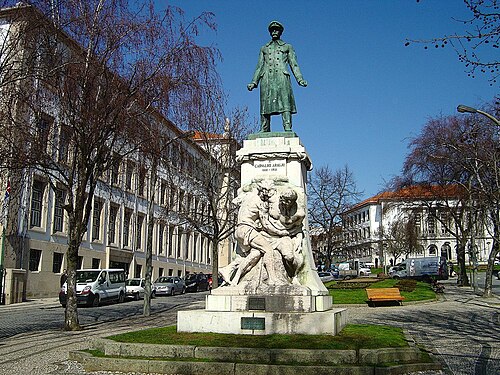
Vila-real is a city located in the province of Castellón, within the autonomous community of Valencia, Spain. Situated approximately 15 kilometers northeast of the provincial capital of Castellón de la Plana, Vila-real has a population of roughly 50,000 inhabitants, making it one of the larger cities in the region. The city is characterized by a rich historical background that dates back to the 13th century when it was founded by King James I of Aragon. Its name, meaning "Royal Town," reflects its significance, as it received its charter in 1274, becoming a crucial center for agriculture and trade. The city’s layout includes a well-preserved medieval center, highlighted by landmarks such as the Church of San Pascual Baylón, dedicated to the city’s patron saint, and the charming Plaça Major, which serves as a focal point for social interactions and local festivities.
Vila-real is also known for its economic activities, which have traditionally revolved around agriculture, particularly citrus fruits, but have diversified in recent years. The city has developed a strong industrial base, with manufacturing sectors including ceramics, textiles, and food processing being particularly prominent. Additionally, Vila-real is celebrated for its contributions to the sports domain, especially football, as home to the prominent Villarreal CF football club, which competes in La Liga, Spain's top professional football division. The club's success has not only heightened the city's profile within Spain but also internationally, attracting attention to Vila-real as a vibrant hub for sports and culture.
Culturally, Vila-real hosts a number of festivals and events throughout the year that reflect its rich heritage and community spirit. The most notable celebration is the patron saint festival in May, featuring processions, music, and traditional dances. The city also promotes artistic endeavors through its various cultural institutions, including the Municipal Music Conservatory and multiple art galleries. Vila-real embraces modernity while preserving its deep-rooted traditions, making it a city that balances historical significance with contemporary living. As a result, Vila-real stands as a representation of the broader cultural and economic dynamics that define the Valencian region.
Facts about Vila-real
- Vila-real was officially founded in the year 1274, and its name is derived from the Latin phrase 'Vila Regia,' meaning 'Royal Villa.'
- The city is renowned for its long-standing tradition of music and art, being the birthplace of the famous contemporary artist José Ramón García Antón.
- Vila-real is home to the Estadio de la Cerámica, the impressive stadium of the local football team, Villarreal CF, which has gained international recognition in European competitions.
- The city hosts the annual festival of La Feria de San Pascual, dedicated to Saint Paschal Baylón, attracting thousands of visitors for its processions, concerts, and cultural activities.
- Vila-real is known for its citrus fruit production, particularly oranges, and has been recognized as one of the leading producers of the fruit in the region of Valencia.
- The city's historic center features the gothic-style Church of St. James, which dates back to the 14th century and reflects the rich history of Vila-real.
- Vila-real's Plaza Mayor is a significant cultural hub with numerous bars and restaurants, showcasing the city's vibrant social life and culinary offerings.
- In recent years, Vila-real has become a prominent center for innovation and technology, being designated as a Smart City due to its efforts in digital transformation.
- The city has a considerable industrial base, particularly in the ceramics sector, which is one of the most important industries in the region of Castellón.
- Vila-real has a unique blend of Modernist architecture alongside its historic buildings, reflecting the city’s evolution and the influence of significant architects in the 20th century.