Viladecans, Spain
- 66,168 people
- 13 places to visit
- 41.3155, 2.0131
Places to Visit (13)
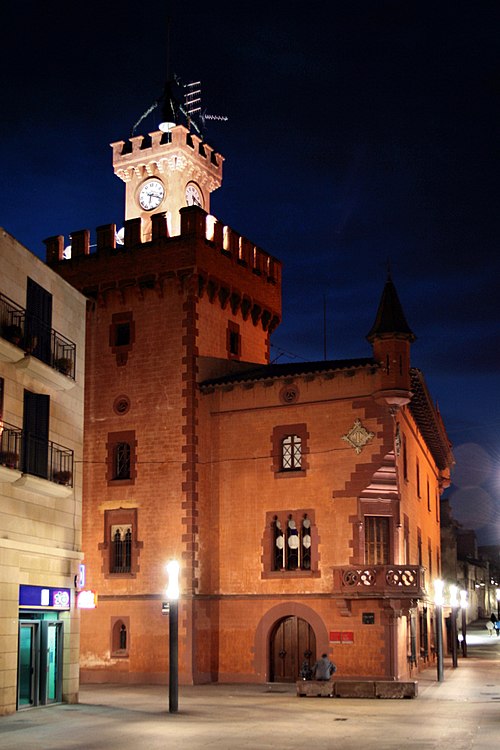
Viladecans is a municipality located in the province of Barcelona, in the autonomous community of Catalonia, Spain. Situated approximately 20 kilometers southwest of the city of Barcelona, it lies along the eastern edge of the Llobregat River. The town, with a population of around 65,000 residents, is known for its strategic geographic location, excellent transportation links, and a blend of urban living and green spaces, making it an attractive place for both families and businesses. The economy of Viladecans has undergone significant transformation over the years, evolving from agriculture-based activities to a focus on services and industry, particularly in logistics and technology, due to its proximity to the Barcelona metropolitan area.
The history of Viladecans dates back to ancient times, with various archaeological findings indicating settlement by Iberians, Romans, and Visigoths. The area developed significantly during the medieval period, with its name deriving from the Latin term "Vila Decana," suggesting a connection to a pastoral or agricultural estate. The town has retained some historical architecture, including the remains of the Church of Sant Joan, which represents a blend of Gothic and Baroque styles. Today, Viladecans features modern amenities and infrastructure, including shopping centers, parks, and recreational facilities. One notable green space is the Parc de la Torre ca n'Alemany, which offers residents a place to enjoy nature and outdoor activities.
Viladecans is well-connected to the broader region via a robust transportation network that includes the A-2 and C-32 highways, making it easily accessible by car. Additionally, it is served by a rail station that connects to both Barcelona and other neighboring municipalities. The city is characterized by a vibrant community life, marked by cultural events, festivals, and a strong emphasis on education and social services. With ongoing urban development projects and a commitment to sustainability, Viladecans continues to evolve as a dynamic urban center, balancing progress with the preservation of its rich cultural heritage.
Facts about Viladecans
- Viladecans is known for its unique combination of urban development and extensive green spaces, including the Parc de la Marina.
- The city has a rich history dating back to the prehistoric period, with archaeological findings in the area that suggest early human settlement.
- Viladecans is strategically located just 15 kilometers southwest of Barcelona, making it a popular residential area for those who work in the city.
- One of the notable landmarks in Viladecans is the Church of Sant Climent, a Gothic-style structure dating back to the 12th century.
- The city hosts the annual Viladecans Festival, which celebrates local culture, music, and arts, attracting visitors from across the region.
- Viladecans has a vibrant commercial sector, with one of the largest shopping centers in Catalonia, known as Vilamarina Shopping Center.
- The city is home to several educational institutions, including the EUSES School of Sports Studies, which specializes in sports and physical education.
- Viladecans was historically an important agricultural area, known for its production of wine and fruits, especially during the 19th century.
- The town boasts a network of cycling paths that connect to nearby areas, promoting sustainable transport and outdoor activities among residents.
- Viladecans has been recognized for its commitment to sustainability and urban planning, receiving awards for its green initiatives and public spaces.