Vilagarcía de Arousa, Spain
- 37,576 people
- 10 places to visit
- 42.5954, -8.7659
Places to Visit (10)
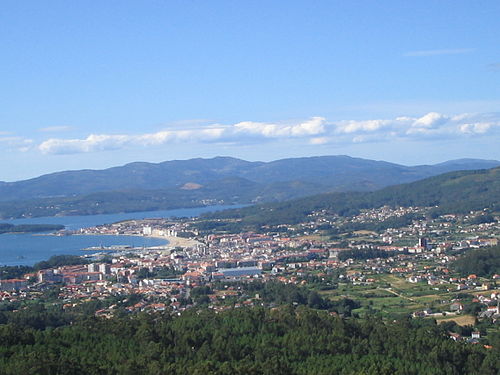
Vilagarcía de Arousa is a coastal town located in the northwestern region of Spain, within the autonomous community of Galicia. It serves as the capital of the comarca (a traditional region) of O Salnés and is situated on the shores of the Ría de Arousa, one of the most important estuaries in Galicia. With a population of approximately 36,000 residents, Vilagarcía de Arousa is well-known for its beautiful beaches, such as Praia de Compostela and Praia de Tiro, which attract both locals and tourists. The town enjoys a rich maritime heritage, and fishing and shellfish farming play a significant role in its economy.
The historical roots of Vilagarcía de Arousa trace back to the Middle Ages, though it gained prominence in the 19th century as a key commercial port. Notable landmarks include the Church of Santa María, with its beautiful neoclassical façade, and the municipal palace, which showcases examples of Galician architecture. The town is also famous for its lively cultural scene, marked by traditional events and festivals, such as the Festas de San Roque and the Festas do Mar, which celebrate the region's maritime culture. Additionally, Vilagarcía de Arousa is connected to the rest of Galicia through a network of roads and railways, facilitating access to significant cities like Santiago de Compostela and Pontevedra, further enhancing its status as a vibrant hub for both commerce and tourism.
Facts about Vilagarcía de Arousa
- Vilagarcía de Arousa is known for its bustling port, which plays a key role in the fishing and shipbuilding industries of Galicia.
- The city is famous for its Albariño wine, produced in nearby vineyards, which is a hallmark of the Rías Baixas DO (Denomination of Origin).
- Vilagarcía de Arousa hosts the annual Festas de San Roque, a major celebration that includes impressive fireworks, concerts, and traditional Galician music.
- The town is home to the historic Pazo de Rubianes, a beautiful manor house and gardens that have become a symbol of Galician aristocracy and culture.
- Unlike many other Spanish cities, Vilagarcía is known for its unique beach culture, with areas like Carril boasting sandy beaches and popular seafood restaurants.
- The city played a significant role during the Galician resistance against the Napoleonic invasion in the early 19th century.
- Vilagarcía de Arousa has a rich maritime heritage, exemplified by the Maritime Museum that showcases local naval history and traditions.
- It features the landmark Church of Santa María de la Xunqueira, which combines Gothic and Renaissance architectural styles and is a prominent part of the city’s skyline.
- The city is well-known for its vibrant gastronomy, especially its octopus dishes, which highlight the culinary traditions of the Galician coast.
- Vilagarcía de Arousa is strategically located between Santiago de Compostela and the beautiful Cíes Islands, making it an access point for tourists exploring Galicia.