Vilanova i la Geltrú, Spain
- 65,890 people
- 14 places to visit
- 41.2152, 1.7274
Places to Visit (14)
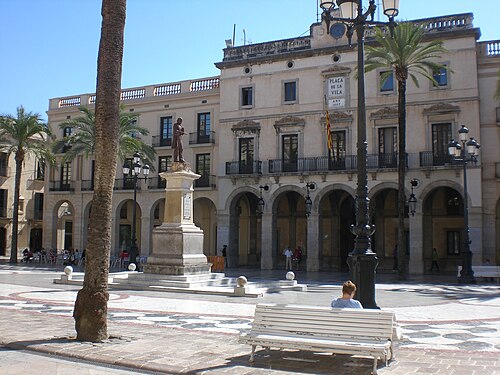
Vilanova i la Geltrú is a vibrant coastal city located in the province of Barcelona, Spain, and serves as the capital of the Garraf comarca. Positioned along the Mediterranean Sea, it is about 40 kilometers southwest of Barcelona, making it a popular destination for both locals and tourists seeking a blend of urban and beach experiences. The city's history dates back to the Roman era, and its rich heritage is reflected in a variety of architectural styles. Notable sites include the Church of St. Mary (Iglesia de Santa Maria), a neoclassical structure constructed in the 18th century, and the historical Catalan modernist buildings that punctuate its municipal landscape. The city's lively port is not only a hub for fishing and trade but also a popular marina for recreational boating.
Vilanova i la Geltrú boasts a diverse cultural scene, hosting numerous festivals and events throughout the year, such as the renowned Carnaval, the Festa de la Verema (Grape Harvest Festival), and various folk celebrations that showcase its traditions. The city is also home to multiple museums, including the Víctor Balaguer Museum, which houses an impressive collection of art and historical artifacts. The local cuisine features traditional Catalan dishes, with an emphasis on seafood, due to its coastal location. Vilanova i la Geltrú is well-connected to Barcelona and other nearby cities through an efficient public transportation system, including trains and buses, making it accessible to visitors. With its combination of cultural richness, historical significance, and beautiful beaches, Vilanova i la Geltrú attracts a diverse population and continues to thrive as a charming destination along the Catalan coast.
Facts about Vilanova i la Geltrú
- Vilanova i la Geltrú is known for its unique mix of historical architecture and modern seaside culture, making it a popular destination on the Costa Dorada.
- The city hosts the unique 'Carnaval de Vilanova', which is one of the most famous carnivals in Catalonia, renowned for its colorful parades and elaborate costumes.
- Vilanova i la Geltrú was historically a significant fishing port, reflected in its bustling fish market and picturesque marina, which are central to the local economy.
- The town is home to the 'Museu del Ferrocarril de Vilanova i la Geltrú', a railway museum that showcases the history of rail transport in the region, featuring a collection of vintage trains.
- The 'Carrer de la Geltrú' is a charming street lined with 19th-century buildings, which features vibrant local shops, cafes, and restaurants, distinctive to the city's cultural landscape.
- Vilanova is famous for its beach, 'Playa de Vilanova', which has been awarded the blue flag status for its quality and cleanliness, distinguishing it from many other beaches in the region.
- The city celebrates 'La Diada de Sant Jordi' (Saint George's Day) with a local twist, where books and roses are exchanged, embodying the Catalonian tradition with a unique flair.
- Vilanova i la Geltrú has a significant maritime history, highlighted by the presence of 'La Casa de la Gastronomia', which promotes traditional seafood cuisine and local culinary culture.
- The annual 'Festa de la Verema', or Grape Harvest Festival, celebrates the local wine culture and attracts visitors with wine tastings, concerts, and a vibrant market scene.
- Vilanova i la Geltrú is part of the 'D.O. Penedès' wine region, making it an important hub for the production of high-quality Cava and wines, distinct from other areas in Spain.