Viljandi, Estonia
- 17,407 people
- 13 places to visit
- 58.3635, 25.586
Places to Visit (13)
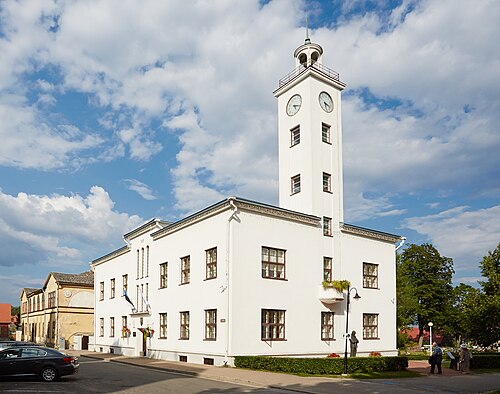
Viljandi is a town located in central Estonia, renowned for its rich history, cultural heritage, and picturesque landscapes. With a population of approximately 17,000 residents, it is one of the more prominent urban centers in the country. Viljandi is situated near the shores of Lake Viljandi, which adds to its natural beauty and recreational opportunities. The town's roots can be traced back to the medieval period, with the first written record of Viljandi dating to 1283. The town was historically significant due to its strategic location along trade routes and was an important center of the Livonian Order. The remnants of the Viljandi Castle, built in the late 13th century, still dominate the local landscape, serving as a reminder of the town's medieval past.
Culturally, Viljandi is known for its vibrant arts scene, hosting various festivals and events throughout the year. One of the most notable is the Viljandi Folk Music Festival, which attracts thousands of visitors from Estonia and abroad, celebrating folk music traditions. The town is also home to the Estonian Literary Museum and several galleries, showcasing local and national artists. Additionally, Viljandi's old town features well-preserved wooden architecture, charming streets, and a welcoming atmosphere that appeals to both residents and tourists. The local economy embraces a mix of traditional industries and modern enterprises, with a focus on services, education, and tourism, making it a significant contributor to the region's development.
Viljandi also emphasizes education and community development, hosting the Viljandi Culture Academy, which is part of the University of Tartu. This institution fosters talent in various artistic disciplines and contributes to the town's cultural vibrancy. The blend of historical significance, cultural richness, and natural beauty makes Viljandi a unique destination in Estonia, appealing to those interested in exploring the country's heritage and contemporary lifestyle. Its scenic landscapes, coupled with a lively cultural calendar and a strong sense of community, position Viljandi as an essential part of Estonia's national identity.
Facts about Viljandi
- Viljandi is known for its rich history as a center of the Estonian national awakening in the 19th century, making it a significant cultural hub.
- The Viljandi Castle ruins, dating back to the 13th century, are among the most prominent historical landmarks in Estonia, offering stunning views of the surrounding area.
- Viljandi hosts the Viljandi Folk Music Festival, one of the largest and most renowned folk music festivals in the Baltic region, attracting thousands of visitors each year.
- The city features the unique Viljandi St. John's Church, built in the 19th century, which showcases intricately detailed wooden architecture and a stunning interior.
- Viljandi has a vibrant arts scene, and the Viljandi Cultural Academy is a prominent institution that contributes to local culture through education in arts and crafts.
- The city is surrounded by beautiful lakes, most notably Lake Viljandi, which is a popular destination for outdoor activities, such as swimming, fishing, and hiking.
- Viljandi's old town is characterized by its well-preserved wooden houses and charming cobblestone streets, providing a picturesque historical atmosphere.
- The town is famously associated with the Estonian poet and educator Karl Ernst von Baer, who was born in the region, contributing to the local cultural heritage.
- Viljandi has a strong community spirit, reflected in its numerous local markets and festivals that celebrate Estonian traditions and crafts, distinguishing it from larger cities.
- The town is also recognized for its commitment to sustainability, with various initiatives aimed at promoting green practices and preserving natural resources.