Villaflores, Mexico
- 37,237 people
- 2 places to visit
- 16.233, -93.2734
Places to Visit (2)
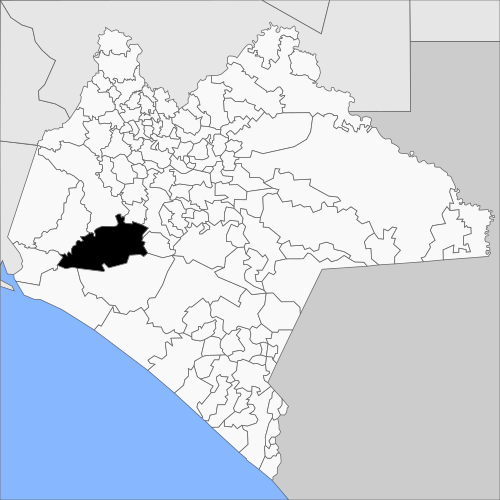
Villaflores is a municipality and city located in the state of Chiapas, Mexico. Situated in the southeastern region of the country, it serves as a vital commercial center for the surrounding areas. The city is characterized by its rich cultural heritage, with a population that predominantly consists of mestizo and Indigenous communities. The town's economy is primarily based on agriculture, with coffee, cattle ranching, and the cultivation of various crops playing significant roles. The strategic location of Villaflores facilitates trade, making it a hub for both local farmers and larger markets in the region.
The city's origins can be traced back to pre-Columbian times, and it was officially founded in the 19th century. Villaflores boasts a range of historical and cultural landmarks that attract visitors and locals alike. The annual celebrations and traditional festivals reflect the vibrant culture of the area, showcasing local folklore, music, and cuisine. A noteworthy event is the Feast of the Holy Cross, which draws in many participants and is marked by colorful parades and communal activities. In addition to its cultural significance, Villaflores is surrounded by natural beauty, with lush landscapes and diverse wildlife, making it an appealing destination for ecotourism.
Villaflores is accessible via modern transportation networks, including highways and regional air services, connecting it to other major cities in Chiapas and beyond. The local government has invested in infrastructure improvements that benefit both residents and visitors, aiming to enhance the quality of life and promote economic development. As part of a broader effort to stimulate growth, initiatives have been launched to improve education and health services, which are essential for the well-being of the community. Despite facing challenges common to many rural municipalities, such as poverty and migration, Villaflores remains a vibrant testament to the resilience and cultural richness of its people.
Facts about Villaflores
- Villaflores is known for its rich agricultural heritage, particularly in the cultivation of coffee and tropical fruits, which sets it apart in the state of Chiapas.
- The city hosts an annual event called the Feria de la Candelaria, which celebrates the patron saint of Villaflores and features traditional music, food, and cultural exhibitions unique to the region.
- Villaflores is distinguished by its diverse indigenous population, with a mix of cultures and languages, including Tsotsil and Tseltal, reflecting the region's rich cultural tapestry.
- The local cuisine features unique dishes that combine traditional Mexican ingredients with indigenous recipes, making it a notable spot for food enthusiasts seeking authentic Chiapas flavors.
- The city's name, Villaflores, translates to 'Village of Flowers', symbolizing its lush landscapes and floral diversity, which is celebrated in local festivals.
- Villaflores serves as an important commercial center for the surrounding agricultural communities, facilitating trade and economic development in the region.
- The historical architecture in Villaflores, including colonial-era buildings, reflects the influence of Spanish colonialism that is common in many towns across Mexico but holds unique characteristics here.
- It is situated in a valley surrounded by mountains, offering stunning natural landscapes that attract ecotourism and outdoor activities unique to the region.
- Villaflores is home to traditional crafts, especially textiles and pottery, which showcase the artistic skills of the local artisans and their connection to indigenous traditions.
- The city is strategically located near important archaeological sites, such as those belonging to the ancient Maya civilization, making it a gateway for cultural tourism.