Villejuif, France
- 48,048 people
- 12 places to visit
- 48.7927, 2.3593
Places to Visit (12)
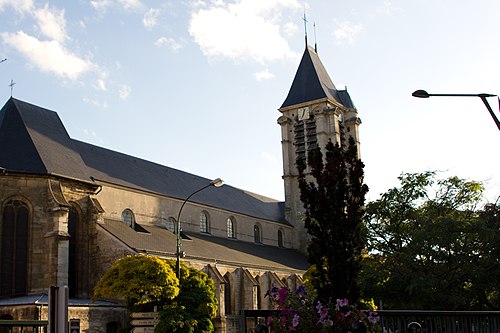
Villejuif is a vibrant commune located in the Val-de-Marne department in the Île-de-France region of France, approximately 6 kilometers south of central Paris. With a population of around 55,000 residents, Villejuif is part of the Greater Paris metropolitan area and benefits from its proximity to the capital. The area has experienced significant urban development over the past few decades, with a mix of residential, commercial, and green spaces that contribute to its dynamic atmosphere. The city is well connected to the rest of the region through public transportation, including the Paris Métro and various bus lines, which facilitates easy access to nearby neighborhoods and central Paris.
Historically, Villejuif has roots dating back to the Roman era, but its modern development began in the late 19th and early 20th centuries, particularly as it transitioned from a rural area to an industrial suburb. Today, Villejuif boasts several cultural, educational, and health institutions, including the Gustave Roussy Institute, one of Europe's leading cancer centers. The commune is also home to a diverse population and a variety of local markets, shops, and restaurants that reflect its multicultural character. Green spaces, such as the Parc des Coteaux and the Parc Pablo Picasso, provide residents with recreational opportunities and enhance the city's livability.
Villejuif has become increasingly recognized for its commitment to sustainability and urban planning, evident in recent initiatives aimed at enhancing public transport, bike paths, and pedestrian areas. The city's infrastructure improvements align with broader efforts to promote eco-friendly living and reduce urban pollution while fostering a sense of community among its residents. Overall, Villejuif is a thriving locale that balances its historical roots with contemporary urban development, making it an attractive place for families, professionals, and students looking to enjoy the benefits of life near Paris.
Facts about Villejuif
- Villejuif is located just south of Paris and is known for its strong historical connections to the French Resistance during World War II.
- The city is home to the renowned Gustave Roussy Institute, one of the leading cancer research and treatment centers in Europe.
- Villejuif was incorporated into the greater Paris metropolitan area in the 20th century, leading to significant urban development and population growth.
- The town has a unique mixed urban environment, featuring both residential areas and green spaces, such as the Parc des Hautes-Bruyères, which is one of the largest parks in the region.
- Historically, Villejuif was a small agricultural village and has transformed over the years due to its proximity to Paris, particularly during the post-World War II era.
- The city hosts a variety of cultural events throughout the year, including the Villejuif Jazz Festival, which draws international artists and audiences.
- Villejuif has a significant immigrant population, contributing to its diverse cultural landscape and culinary scene, with a variety of global restaurants and markets.
- The city has a distinct architectural blend, featuring both modern buildings and historical structures, including the 17th-century Saint-Cyril Church.
- Villejuif serves as a major transit hub with direct metro access to Paris, making it a popular location for commuters working in the capital.
- The local government has actively pursued initiatives for sustainability, aiming to enhance the quality of life for residents while preserving the environment.