Villena, Spain
- 35,222 people
- 8 places to visit
- 38.6318, -0.8612
Places to Visit (8)
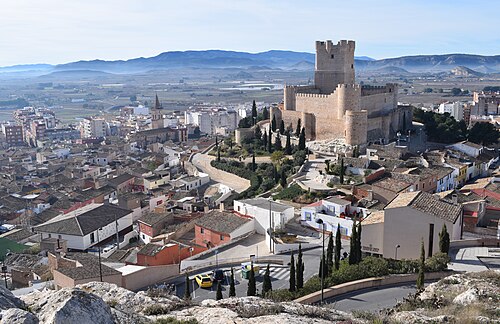
Villena is a historic city located in the province of Alicante, within the autonomous community of Valencia, Spain. Boasting a population of approximately 33,000 residents, Villena is situated in the interior of the province, approximately 45 kilometers northwest of the city of Alicante. The city serves as a vital hub for agriculture, commerce, and tourism, capitalizing on its strategic position along important transportation routes. The surrounding region is known for its vineyards and olive groves, contributing to Villena’s reputation as an agricultural center.
With a history dating back to prehistoric times, Villena is rich in cultural heritage. The city has been influenced by multiple civilizations, including the Iberians, Romans, and Moors. One of the most notable landmarks is the Castillo de la Atalaya, a prominent 12th-century castle that offers stunning views of the surrounding landscape. The castle not only serves as a symbol of the city’s turbulent history but also houses exhibitions that promote local culture and history. Additionally, the city features a range of historic churches, such as the Church of Santiago, which showcases Gothic architecture and is known for its impressive altar. The annual fiestas, particularly the Moors and Christians festival, reflect Villena's unique cultural blend and attract numerous visitors.
Villena also offers an array of modern amenities, including local markets, shopping centers, and recreational spaces. The city's commitment to preserving its heritage while accommodating contemporary needs makes it an attractive destination for both residents and tourists. Villena's favorable climate, characterized by hot summers and mild winters, further enhances its appeal, fostering outdoor activities and agricultural productivity. As a growing center of tourism and commerce, Villena remains a vibrant city that honors its rich history while looking toward a dynamic future.
Facts about Villena
- Villena is known for its impressive castle, the Castillo de la Atalaya, which dates back to the 12th century and offers stunning views of the surrounding landscape.
- The city is famous for its archaeological sites, including the burial site of the Lady of Tavernes, an important find that dates back to the Bronze Age.
- Villena hosts the Fiesta de las Cruces, a unique festival celebrated in May, where locals decorate crosses with flowers and offer them to the public, showcasing their rich cultural traditions.
- The city has a significant history in the production of textiles, particularly silk, during the Middle Ages, contributing to its economic growth and cultural heritage.
- Villena is recognized for its ancient wine production, and it is part of the Alicante wine region, known for producing some quality wines since ancient times.
- The town has a unique architectural blend of Gothic, Baroque, and Mudejar styles, evident in its historic buildings and churches, such as the Church of Santiago.
- Villena has a strong connection to the ancient Iberian civilization, and the nearby archaeological site of Cabeço de les Creus contains remnants of this fascinating history.
- Every August, Villena celebrates its Moors and Christians festival, which reenacts historical battles and highlights the city's multicultural past.
- The city is home to the 'Pinchos' gastronomy event, where various bars participate in showcasing local culinary delights, emphasizing Villena’s vibrant food scene.
- Villena is also known for its exceptional leather craftsmanship, supporting artisans who produce high-quality products that are popular in the region.