Villiers-le-Bel, France
- 27,028 people
- 3 places to visit
- 49.0074, 2.388
Places to Visit (3)
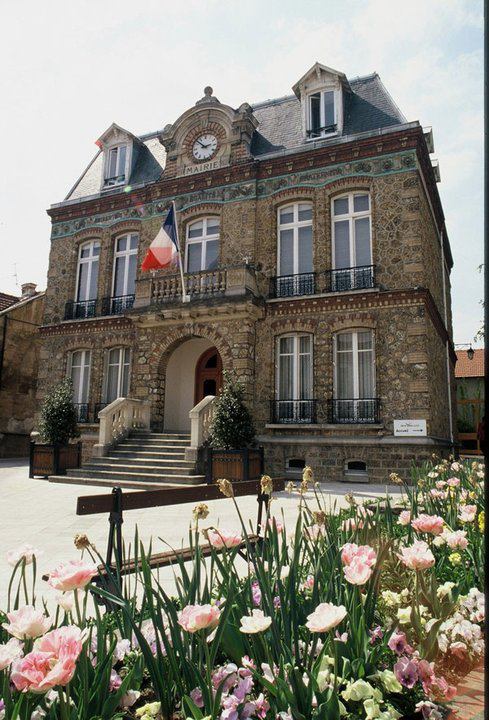
Villiers-le-Bel is a commune located in the Val-d'Oise department in the Île-de-France region of northern France, approximately 15 kilometers northeast of Paris. Established as a small agricultural village, it has evolved into a suburb of the capital, marked by a blend of residential and industrial areas. The commune covers an area of around 5.85 square kilometers and has a population of roughly 28,500 residents as of the latest census in 2019. Villiers-le-Bel is characterized by its diverse community and a mix of cultural influences, owing to its proximity to Paris and the flow of various demographics.
Historically, Villiers-le-Bel has roots tracing back to the Roman era, but the town truly began to develop in the late 19th century with the expansion of the Paris metropolitan area. The introduction of the railway facilitated further growth, transforming Villiers-le-Bel into a key residential area for workers commuting to the capital. The town features several notable landmarks, including the Church of Saint-George, a building of architectural significance dating back to the 12th century. The commune also hosts various parks and green spaces, enhancing the quality of life for residents and promoting community engagement.
In recent history, Villiers-le-Bel has garnered attention for social and economic challenges, particularly regarding unemployment and urban development issues. These challenges have occasionally led to civil unrest, notably riots in 2007, which brought national focus to the struggles of suburban areas surrounding Paris. Despite these challenges, local authorities and community leaders are engaged in initiatives aimed at improving the economic conditions and social cohesion within the commune. Villiers-le-Bel's strategic location, historical importance, and ongoing development efforts make it a significant part of the broader Île-de-France region.
Facts about Villiers-le-Bel
- Villiers-le-Bel is notable for its rich history, dating back to the Gallo-Roman period, with archaeological findings indicating ancient settlements in the area.
- The city is home to the important church of Saint-Étienne, which features remarkable architectural elements from different periods, illustrating the evolution of styles over the centuries.
- In 2005, Villiers-le-Bel gained national attention due to civil unrest, which reflected broader social tensions in suburban areas of France, highlighting issues of integration and poverty.
- Villiers-le-Bel has a diverse population, contributing to a vibrant multicultural community that celebrates various cultural festivals throughout the year.
- The city was once the site of a significant medieval castle, remnants of which hint at the city's medieval prominence and strategic importance in the region.
- Villiers-le-Bel is situated just north of Paris, providing easy access to the capital while maintaining a distinct suburban character with its own local identity.
- The city is known for its green spaces, including parks like Parc de la Mairie, which offer recreational opportunities and contribute to the quality of life for residents.
- Villiers-le-Bel participates in several initiatives aimed at urban renewal and social cohesion, reflecting its commitment to improving community relations and infrastructure.
- The city has a notable sports scene, with local clubs and events fostering a strong community spirit and engagement among residents.
- Villiers-le-Bel's proximity to the Charles de Gaulle Airport and major transportation links makes it a strategic location for business and travel, differentiating it from many rural towns in France.