Villingen-Schwenningen, Germany
- 81,770 people
- 10 places to visit
- 48.0594, 8.4641
Places to Visit (10)
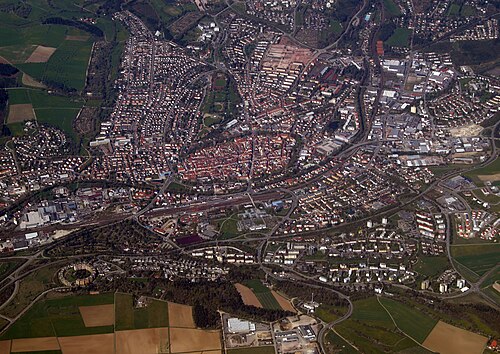
Villingen-Schwenningen is a city situated in the southwestern part of Germany, within the state of Baden-Württemberg. Formed in 1972 through the merger of the two towns Villingen and Schwenningen, this city is renowned for its rich history, scenic landscapes, and vibrant cultural scene. Nestled in the Black Forest region, it boasts a population of approximately 85,000 residents, making it one of the larger municipalities in the area. The history of Villingen can be traced back to the Roman Empire, while Schwenningen, known for its clock-making tradition, emerged as an industrial hub in the 19th century. The city exemplifies a blend of historical charm and modern innovation, with well-preserved medieval architecture alongside contemporary amenities.
Villingen-Schwenningen thrives economically due to its diverse industrial base, which includes manufacturing, engineering, and the precision watch industry. The city has embraced modern technology while preserving its heritage, evidenced by its numerous festivals and cultural events, such as the Villingen Carnival and the Schwenningen Music Festival. The surrounding landscape offers residents and visitors opportunities for outdoor activities, including hiking and cycling, particularly in the picturesque Black Forest. The public transportation system, including the regional train network, connects the city to nearby urban centers like Stuttgart and Freiburg, enhancing its appeal as a place to live and work. With its combination of historical significance, economic vitality, and natural beauty, Villingen-Schwenningen remains a unique and attractive destination in Germany.
Facts about Villingen-Schwenningen
- Villingen-Schwenningen is known for its clock-making history, particularly the production of cuckoo clocks, becoming a regional center for this craft.
- The city is home to the unique Black Forest Museum (Schwarzwaldmuseum), which showcases the rich cultural heritage and traditions of the Black Forest region.
- Villingen-Schwenningen has a distinctive double-city structure, formed by the merger of Villingen and Schwenningen in 1972, each with its own historical significance.
- The historic Old Town of Villingen is known for its well-preserved medieval architecture, including the impressive Villingen Town Hall and the Church of St. George.
- The city celebrates its annual Carnival (Fasnet) with vibrant parades and traditional costumes, showcasing the unique customs of the region.
- Villingen-Schwenningen is located at the edge of the Black Forest, offering easy access to hiking and outdoor activities, making it a popular spot for nature enthusiasts.
- The city has a notable tradition of producing high-quality musical instruments, particularly woodwinds, contributing to its recognition in the music industry.
- Villingen-Schwenningen is a center for education and has a reputable university of applied sciences, focusing on engineering and design.
- The city's location on the border of Baden-Württemberg and its proximity to Switzerland make it a cultural melting pot, influencing local cuisine and traditions.
- Villingen-Schwenningen hosts the annual 'Villinger Frühjahr', a spring market that celebrates local crafts and food, drawing visitors from surrounding areas.