Vimercate, Italy
- 22,727 people
- 13 places to visit
- 45.6159, 9.3684
Places to Visit (13)
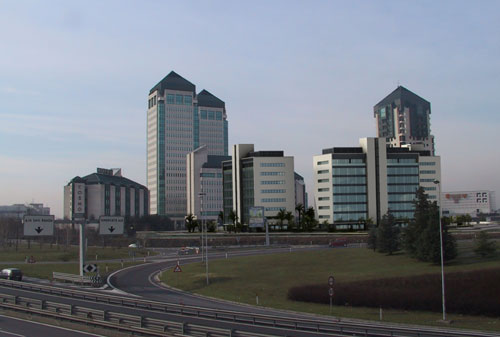
Vimercate is a charming town located in the province of Monza and Brianza in the Lombardy region of northern Italy. Situated approximately 25 kilometers northeast of Milan, Vimercate has a rich history that dates back to the Roman era, evidenced by archaeological finds and vestiges of ancient roads. The town is strategically positioned along the eastern bank of the River Molgora, which has historically contributed to its development as an important commercial hub. Vimercate's population is around 26,000 residents, offering a blend of urban conveniences and a close-knit community atmosphere.
The historical center of Vimercate features notable landmarks such as the Church of San Michele Arcangelo, which showcases a mix of Romanesque and Gothic architectural styles. The town is also home to the impressive Villa Sottocasa, a Renaissance villa that stands as a testament to Vimercate's noble past. Additionally, the nearby Monastery of San Francesco, with its tranquil gardens, provides insight into the town's religious heritage. Modern Vimercate is characterized by its thriving economy, primarily driven by commerce and technology, with several significant companies establishing their headquarters in the area. The presence of parks and green spaces, coupled with the scenic beauty of the surrounding Brianza hills, makes Vimercate a pleasant place for residents and visitors alike.
Culturally, Vimercate hosts various events throughout the year, celebrating everything from local cuisine to historical traditions. The town's vibrant atmosphere is enhanced by markets, festivals, and art exhibitions, which reflect both its Italian heritage and modern influences. Furthermore, excellent transportation links, including rail and road connections to Milan and other nearby cities, make Vimercate an attractive location for commuters. This combination of historical richness, cultural vibrancy, and economic vitality contributes to Vimercate's appeal as a desirable destination for both residents and tourists seeking an authentic Italian experience.
Facts about Vimercate
- Vimercate is known for its ancient Roman origins, with significant archaeological findings dating back to the 1st century AD.
- The city is home to the beautiful 18th-century Villa Sottocasa, which features stunning gardens and is a prime example of Lombard architecture.
- Vimercate hosts the historic San Michele Arcangelo Church, which dates back to the 11th century and showcases a blend of Romanesque and Gothic styles.
- An important manufacturing hub in the 20th century, Vimercate was pivotal in the production of electrical equipment, contributing to Italy's industrial growth.
- The townspeople of Vimercate celebrate the annual Festival of Saint Ambrose, complete with traditional processions and local food delicacies, reflecting the city's rich cultural heritage.
- Vimercate was the birthplace of famous Italian architect Giuseppe Terragni, who is known for his influential modernist designs.
- The city is strategically located at the intersection of major roads, making it a key transit point in the Lombardy region, which distinguishes it from smaller towns.
- Vimercate boasts a picturesque historical center, which includes the central Piazza Marconi, where locals and visitors gather for markets and cultural events.
- The Vimercate area is also recognized for its beautiful parks and green spaces, such as Parco della Beretta, offering eco-tourism opportunities.
- Vimercate is part of the Brianza region, known for its high-quality craftsmanship and a strong tradition in furniture and design, setting it apart from other Italian cities.