Visby, Sweden
- 23,402 people
- 17 places to visit
- 57.6348, 18.2948
Places to Visit (17)
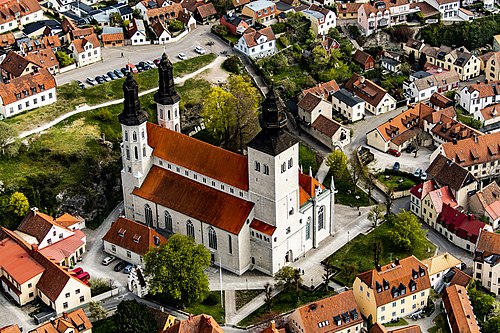
Visby is a historic town located on the island of Gotland in Sweden, renowned for its well-preserved medieval architecture and rich cultural heritage. As the only city on Gotland and the island’s administrative center, Visby had a significant role in the Hanseatic League during the Middle Ages, flourishing as a trading hub. The town's walls, which were constructed in the 13th century and stretch for nearly 3.5 kilometers, are among the finest examples of medieval fortifications in Scandinavia. Inside these walls, visitors can explore cobblestone streets lined with medieval buildings, including the impressive ruins of churches such as St. Nicolai and St. Karin, and the iconic Visby Cathedral.
In recognition of its historical importance, Visby was designated a UNESCO World Heritage Site in 1995, emphasizing its status as a prominent medieval town. The city's annual Medieval Week, held in August, attracts thousands of visitors with its lively reenactments of medieval life, complete with costumes, markets, and performances. Beyond its medieval charm, Visby is also known for its stunning coastal scenery, offering picturesque views of the Baltic Sea and the surrounding landscape. Local attractions include the Gotland Museum, which showcases the island's archaeological treasures and art, as well as numerous cafés, restaurants, and shops that contribute to a vibrant atmosphere. Visby serves not only as a gateway to exploring the unique culture and history of Gotland but also as a popular tourist destination that balances heritage with modern attractions.
Facts about Visby
- Visby is a UNESCO World Heritage Site, recognized for its well-preserved medieval architecture and historical significance.
- The city is famous for its annual Medieval Week, where participants dress in period costumes and reenact historical events, attracting thousands of visitors each August.
- Visby is home to the most intact medieval town walls in Scandinavia, stretching about 3.4 kilometers and featuring 44 towers, some dating back to the 13th century.
- The town is known for its unique medieval churches, notably the ruins of St. Nicholas Church and St. Lars Church, which reflect the city's historical importance as a religious center.
- Visby was once a major Hanseatic trading hub in the Baltic Sea during the Middle Ages, significantly contributing to its wealth and urban development.
- The city has a distinct collection of stone houses called 'Gotlandic stone houses', characterized by their grey limestone and charming architecture.
- Visby is often referred to as the 'City of Roses' due to its beautiful gardens and abundance of wild roses that bloom during the summer months.
- The annual Medeltidsveckan (Medieval Week) in Visby transforms the town into a medieval marketplace, complete with jousting, crafts, and traditional music.
- Visby is the birthplace of several notable figures, including the influential Swedish politician and statesman Olof Palme.
- The city serves as the capital of Gotland, Sweden's largest island, which is known for its unique geology, flora, and fauna, setting it apart from the mainland.