Vitebsk, Belarus
- 342,700 people
- 8 places to visit
- 55.1927, 30.2064
Places to Visit (8)
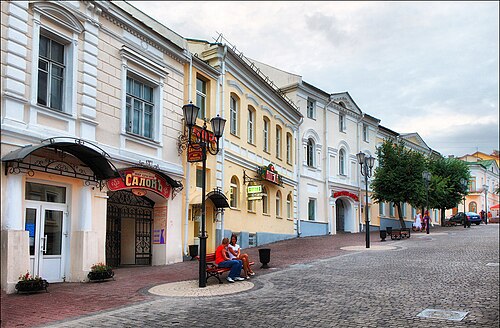
Vitebsk, one of the oldest cities in Belarus, is located in the northeastern part of the country, along the banks of the Western Dvina River. Archaeological evidence indicates that the area has been inhabited since prehistoric times, making it a site of significant historical importance. The city was first mentioned in historical texts in 974 AD and has since developed into an important cultural and economic center. Vitebsk has a population of approximately 370,000 residents and is known for its rich cultural heritage and artistic history, being the birthplace of the renowned painter Marc Chagall. The city has a blend of Russian, Polish, and Jewish influences, reflected in its architecture and cultural practices.
Vitebsk is famous for hosting the annual Slavianski Bazaar in Vitebsk, an international arts festival that showcases music and performing arts, drawing participants and visitors from across the globe. The city boasts several historical landmarks, including the Vitebsk City Hall, the Assumption Cathedral, and the Marc Chagall Art Center, which highlights the works of the famed artist and his connection to the city. In addition to its artistic accomplishments, Vitebsk plays a significant role in the economic landscape of Belarus, with industries such as machinery, textiles, and food production contributing to its development. The city also serves as a transportation hub, connecting Belarus with neighboring countries and facilitating trade. Overall, Vitebsk exemplifies a unique blend of historical significance, cultural richness, and economic vitality.
Facts about Vitebsk
- Vitebsk is one of the oldest cities in Belarus, first mentioned in historical records dating back to 974.
- The city is known for its vibrant cultural scene, including the annual Slavianski Bazaar, an international arts festival that attracts performers from multiple countries.
- Vitebsk is the birthplace of the famous abstract artist Marc Chagall, and the city features a museum dedicated to his life and work.
- The Vitba River flows through Vitebsk, contributing to its picturesque landscapes and historical significance as a trade route.
- The Assumption Cathedral in Vitebsk, originally built in the 12th century, is one of the city's most important architectural landmarks, showcasing a rich blend of styles.
- Vitebsk played a significant role during World War II and has several memorials dedicated to those who fought and died during the conflict.
- The city has historically been a center for Jewish culture, with a significant Jewish community that existed before World War II, contributing to its diverse heritage.
- Vitebsk is home to the only surviving wooden church built in the early 18th century, the Church of St. John the Baptist, showcasing unique architectural styles.
- The city was a key site for the Belarusian literary movement in the early 20th century, with various writers and poets contributing to its cultural legacy.
- The Vitebsk Region is also known for its picturesque countryside and natural beauty, including several lakes and nature reserves that attract outdoor enthusiasts.