Viterbo, Italy
- 47,134 people
- 10 places to visit
- 42.4204, 12.1075
Places to Visit (10)
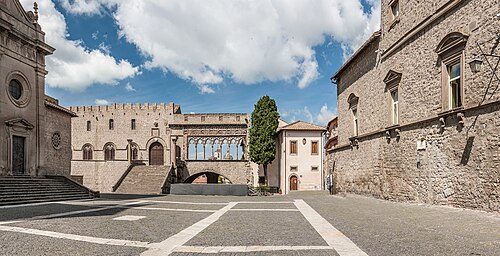
Viterbo, a city located in the Lazio region of central Italy, is known for its rich historical and architectural significance. Situated about 100 kilometers north of Rome, Viterbo is often referred to as a hidden gem due to its well-preserved medieval character and cultural heritage. Its origins date back to ancient times, with archaeological evidence suggesting the presence of Etruscan and Roman settlements. The city achieved prominence in the 13th century when it became a papal seat, serving as a residence for several popes during the Avignon papacy. This historical period led to the construction of many important structures, including the Papal Palace, which remains a major attraction.
The cityscape of Viterbo is characterized by narrow cobblestone streets, towering stone walls, and numerous historic buildings that reflect its medieval heritage. One of the most notable landmarks is the Cathedral of San Lorenzo, which features a striking façade and an interior adorned with beautiful artworks. Additionally, the medieval quarter, known as San Pellegrino, is home to charming alleys, ancient houses, and the atmospheric Piazza San Lorenzo. Viterbo is also famous for its thermal springs, which have been utilized since ancient Roman times, attracting visitors to its spa facilities. The annual celebration of the "Macchina di Santa Rosa," a spectacular festival held in honor of the city’s patron saint, showcases the vibrant local culture with a grand procession featuring a large, illuminated structure carried through the streets.
Today, Viterbo is not only a testament to the rich history of Italy but also a thriving center for tourism, culture, and gastronomy. The city offers a variety of traditional Roman and Tuscan cuisine, complemented by local wines. Its educational institutions, including the University of Viterbo, contribute to the city’s dynamic atmosphere. While it retains its historical charm, Viterbo also embraces modernity, making it a unique destination that bridges the past with the present. Visitors to Viterbo can explore its fascinating history, enjoy its beautiful landscapes, and experience the warmth of its community, making it a worthwhile stop in the heart of Italy.
Facts about Viterbo
- Viterbo is known as the 'City of the Popes' because it served as the papal residence during the 13th century when popes fled Rome due to political unrest.
- The Palazzo dei Papi, a medieval palace in Viterbo, was the site of the longest conclave in papal history, lasting from 1268 to 1271, where the pope was elected after a three-year interregnum.
- Viterbo boasts a well-preserved medieval quarter, featuring narrow streets, ancient stone buildings, and the impressive San Lorenzo Cathedral, which dates back to the 11th century.
- The city is home to the famous thermal baths, which have been used since antiquity for their health benefits, drawing tourists seeking wellness from far and wide.
- Viterbo hosts the annual Festa della Santa Rosa, a unique cultural event where a massive floral tower is paraded through the city in honor of its patron saint.
- Unlike most Italian cities, Viterbo has a significant number of Etruscan archaeological sites nearby, offering insights into this ancient civilization predating the Romans.
- The historic district of Viterbo is characterized by its stunning Gothic and Renaissance architecture, particularly evident in the Church of Santa Maria Nuova.
- Viterbo is part of the Tuscia region, a historical area in northern Lazio, known for its picturesque landscapes and rich agricultural heritage, including wine and olive oil production.
- The city features one of the oldest surviving medieval walls in Italy, with sections stretching back to the 12th century, providing a glimpse into its fortified past.
- Viterbo's location near the volcanic Lake Bolsena and the Monti Cimini mountains makes it a hub for outdoor activities, including hiking, biking, and exploring nature.