Vittorio Veneto, Italy
- 24,789 people
- 11 places to visit
- 45.9874, 12.2999
Places to Visit (11)
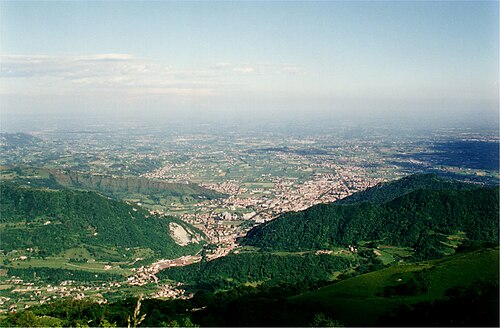
Vittorio Veneto is a picturesque city located in the province of Treviso, in the Veneto region of northern Italy. Nestled between the foothills of the Alps and the lush plains of the Veneto, it lies approximately 60 kilometers north of Venice. Vittorio Veneto is formed by the merger of two historic towns, Serravalle and Ceneda, which were combined in the late 19th century. This charming city has rich historical roots, particularly evident in its medieval architecture and numerous historical landmarks. The town played a significant role during World War I, being a key site during the Italian Front, and it has since become a symbol of national unity.
Visitors to Vittorio Veneto can explore various attractions that reflect its storied past. The medieval structures in the historic center, such as the impressive remains of the walls and the ancient Porta del Popolo, evoke the town's long-standing significance as a fortified settlement. A particularly noteworthy site is the Cathedral of Ceneda, which boasts remarkable frescoes and an elegantly designed façade that illustrates the city’s religious heritage. Cultural events throughout the year, including festivals and art exhibitions, amplify Vittorio Veneto’s vibrant community spirit. The surrounding landscape provides outdoor enthusiasts with ample opportunities for hiking, cycling, and appreciating the natural beauty of the nearby Prosecco wine hills and the Dolomite foothills.
In addition to its historical and cultural relevance, Vittorio Veneto is renowned for its local cuisine and viticulture. It is located in a region famous for producing Prosecco, a sparkling wine that has gained international acclaim. The city's culinary scene features traditional Venetian dishes, often made with local ingredients, which offer a delightful experience for visitors. With its blend of history, culture, and natural beauty, Vittorio Veneto presents a unique destination that encapsulates the charm of northern Italy. This vibrant town, with its stunning views and cultural offerings, continues to attract visitors seeking to experience the authentic Italian lifestyle amidst a backdrop of historical grandeur.
Facts about Vittorio Veneto
- Vittorio Veneto is known for its historical significance in World War I, specifically as the location where the decisive Battle of Vittorio Veneto took place in 1918, leading to the collapse of the Austro-Hungarian Empire.
- The city is home to the beautiful Duomo di Sant'Andrea, a Cathedral built in the 15th century, featuring a unique combination of Gothic and Renaissance architectural elements.
- Vittorio Veneto is famous for its Prosecco wine production, situated in the Treviso province, which is one of the primary regions for producing this sparkling wine.
- The city features a well-preserved medieval historic center, particularly in the area of Serravalle, which boasts narrow streets and charming squares that reflect its rich past.
- Vittorio Veneto was officially recognized as a city in 1866, but it is the result of the merging of two separate towns, Ceneda and Serravalle, each with its own distinct history and identity.
- The city celebrates the annual Festa della Birra, a beer festival that draws visitors from all over the region, showcasing local breweries and culinary delights.
- Vittorio Veneto is located near the foothills of the Alps, providing stunning natural landscapes and outdoor recreational opportunities, such as hiking and mountain biking.
- The historical significance of Vittorio Veneto is further highlighted by the presence of the Monument to the Fallen, which honors soldiers who died during World War I.
- Vittorio Veneto is an important center for the silk industry in Italy, with a history of silk production that dates back to the Middle Ages, distinguishing it from many other cities.
- The city hosts the Vittorio Veneto International Film Festival, which celebrates independent filmmakers and has gained recognition for promoting cinematic arts.