Voghera, Italy
- 38,464 people
- 10 places to visit
- 44.9918, 9.0119
Places to Visit (10)
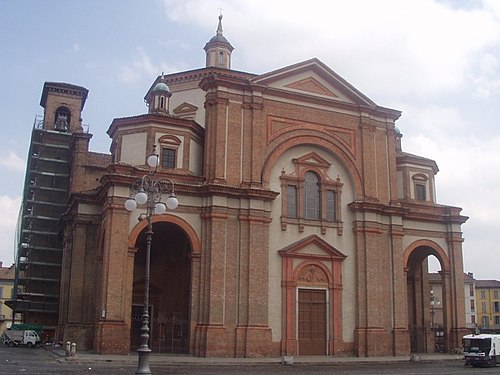
Voghera is a charming city located in the Lombardy region of northern Italy, sitting within the province of Pavia. Founded in ancient times, the city has a rich historical background that dates back to the Roman period when it was known as "Voghera Votum." Strategically positioned at the crossroads of several road networks, Voghera developed as an important agricultural and commercial center. With a population of around 39,000 residents, it serves as a vital hub for the surrounding rural areas. Its scenic location along the Staffora River and proximity to the Ticino and Po rivers enhances its appeal and contributes to its agricultural landscape.
The city boasts several historical landmarks and cultural sites that reflect its long history. Among them, the cathedral of San Lorenzo, built in the 18th century, is a prominent feature with its striking façade and impressive interior that showcases beautiful artworks. The Castello di Voghera, a castle with roots going back to the Middle Ages, provides a glimpse into the city's fortified past. Voghera is also known for its lively community and local festivals, such as the annual "Palio di Voghera," which celebrates the city's rich traditions and fosters a sense of local pride.
In addition to its historical significance, Voghera has developed an economy that combines agriculture, trade, and light manufacturing. The surrounding countryside is noted for its production of wines, particularly the renowned Barbera variety, which is celebrated regionally. The city also serves as a transportation hub, with access to major highways and railway lines that connect it to larger urban centers such as Milan and Pavia. This accessibility has helped Voghera maintain its relevance in modern times while preserving its historical charm. Overall, Voghera is a blend of history, culture, and economic activity, making it an interesting destination for visitors and a vital community for its residents.
Facts about Voghera
- Voghera is known for its rich agricultural history, particularly in the cultivation of vineyards and production of wine, distinguishing it from many other Italian cities.
- The city is home to several historic landmarks, including the 14th-century Castello Visconteo, which showcases medieval architecture unique to the area.
- Voghera is celebrated for its annual 'Palio di Voghera,' a traditional horse race that has been held since the 12th century, attracting visitors from across the region.
- The city features a unique blend of architectural styles, with a significant number of Neoclassical buildings that reflect its development during the 18th and 19th centuries.
- Voghera is located at the confluence of the Tidone and Staffora rivers, providing a natural setting that contributes to its agricultural prominence.
- The city has a strong railway heritage, serving as an important transportation hub since the 19th century, which played a significant role in its economic development.
- Voghera is known for its local cuisine, particularly its 'Risotto alla Vogherese,' a traditional rice dish that is not widely found in other parts of Italy.
- The city's historical significance includes being a strategic military point during various conflicts, including the Napoleonic Wars, which shaped its development.
- Voghera showcases a vibrant cultural scene, with events such as the annual 'Festival della Creatività,' promoting local arts and crafts, setting it apart from larger cities.
- The city is recognized for its contributions to the Italian fashion industry, as it is home to several local artisans and designers, fostering a unique style distinct from Milan.