Volgograd, Russian Federation
- 1,013,533 people
- 48.708, 44.5133
No places available for this city.
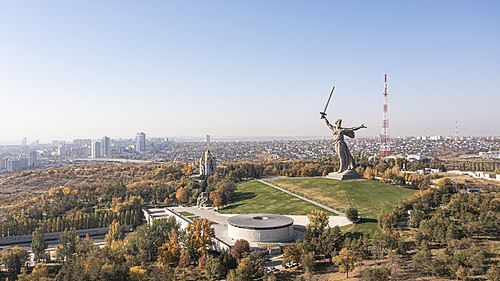
Volgograd, a city located in the southwestern region of the Russian Federation, is situated along the western bank of the Volga River. It serves as the administrative center of Volgograd Oblast and holds a significant place in Russian history. The city is characterized by its strategic location, approximately 900 kilometers away from both Moscow and the Caspian Sea, making it an important transportation and logistics hub. Originally founded as Tsaritsyn in the 16th century, it was renamed Stalingrad in 1925 in honor of Joseph Stalin and subsequently renamed Volgograd in 1961 during the process of de-Stalinization. The city's terrain and climate are predominantly continental, with hot summers and cold winters, contributing to its unique challenges and opportunities for development.
Volgograd is perhaps best known for its pivotal role in World War II during the Battle of Stalingrad (1942-1943), which is regarded as one of the deadliest and most significant battles in history. This battle marked a turning point in the war in favor of the Soviet Union and is commemorated by numerous monuments, including the iconic Motherland Calls statue, which stands at 85 meters tall and is one of the tallest statues in the world. These memorial sites, alongside others such as the Panoramic Museum of the Battle of Stalingrad, attract both domestic and international visitors who seek to understand the profound historical impact of the battle. Today, Volgograd is a thriving city with a diverse economy that encompasses industries such as manufacturing, agriculture, and energy. As a cultural center, it offers a variety of theaters, museums, and educational institutions, fostering a vibrant community with a rich artistic heritage. Despite the challenges it has faced, including economic transitions and urban development, Volgograd continues to evolve while honoring its historical legacy.
Facts about Volgograd
- Volgograd was formerly known as Stalingrad, a city that was the site of one of the largest and bloodiest battles in World War II, the Battle of Stalingrad, which marked a turning point in the war.
- The Mamayev Kurgan is a prominent hill in Volgograd, home to the massive Motherland Calls monument, which is one of the tallest statues in the world and commemorates the Soviet soldiers who fought in the Stalingrad battle.
- Volgograd is built along the banks of the Volga River, which is the longest river in Europe, and it plays a crucial role in the city’s economy and transport.
- The city has a unique history of reconstruction after being almost completely destroyed during World War II, leading to a mix of Soviet-era architecture and modern developments.
- Volgograd is known for the Volgograd Railway Station, a significant transport hub that features architectural styles reflecting its historical importance in connecting the Volga region with other parts of Russia.
- The city hosts the annual Festival of Military History, celebrating the events of the Battle of Stalingrad and attracting historians and re-enactors from around the world.
- Volgograd's 'Hero-City' status is a title awarded to it for its valor during World War II, and it is one of the few cities in Russia to hold such a distinction.
- The city features several objects and installations that recall the Great Patriotic War, including the Panorama Museum of Stalingrad Battle, providing a detailed experience of the historic event.
- Volgograd is a significant cultural center, with numerous theaters and art galleries, including the Volgograd State Theater of Musical Comedy.
- Volgograd is celebrated for organizing the annual Volga Fest, a cultural festival that showcases local traditions, cuisine, and arts, promoting the city’s heritage.