Volta Redonda, Brazil
- 249,580 people
- 13 places to visit
- -22.5078, -44.0946
Places to Visit (13)
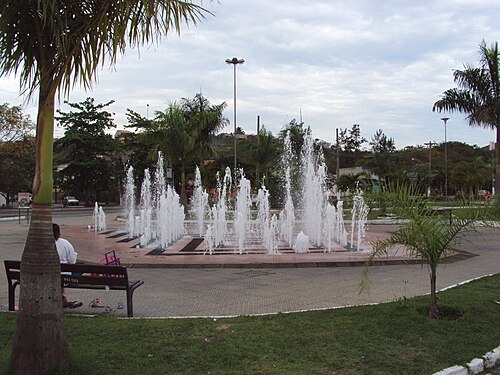
Volta Redonda is a city located in the state of Rio de Janeiro, Brazil. Founded in 1931, it emerged as a significant industrial hub, primarily known for its steel production. The establishment of the Companhia Siderúrgica Nacional (CSN) in 1941 marked a turning point in the city's development, positioning it as one of the most important industrial towns in Brazil. Volta Redonda's strategic location, situated in the Paraíba do Sul River valley, facilitated the transportation of materials and goods, further enhancing its industrial capabilities. The city's population has grown steadily over the years, and as of the last census, it boasts around 250,000 inhabitants.
The urban landscape of Volta Redonda is characterized by a mix of residential, commercial, and industrial zones. The city is home to several educational institutions and offers various cultural activities, underscoring its role as a regional center for education and community engagement. Volta Redonda also enjoys natural beauty, with access to nearby mountains and parks, allowing residents and visitors to explore outdoor activities like hiking and biking. Additionally, the city celebrates various events throughout the year, including traditional festivals that reflect its cultural diversity. Despite facing challenges such as urbanization and economic fluctuations, Volta Redonda remains a vital part of Brazil's industrial fabric, committed to development and community well-being.
Facts about Volta Redonda
- Volta Redonda is known as the 'Steel City' due to the presence of Companhia Siderúrgica Nacional (CSN), one of the largest steel manufacturers in Brazil, established in 1941.
- The city was officially founded on June 17, 1954, but its development accelerated significantly after the establishment of the steel industry.
- Volta Redonda is located in the valley of the Paraíba do Sul river, surrounded by mountainous regions, making it a site of both industrial growth and natural beauty.
- The city played a crucial role in Brazil's industrialization during the mid-20th century, contributing significantly to the country's economic expansion.
- Volta Redonda hosts the largest urban park in the state of Rio de Janeiro, the Parque Natural Municipal de Volta Redonda, which features diverse flora and fauna.
- The city is known for its annual event, the 'Festa do Peão' (Rodeo Festival), which attracts thousands of visitors and showcases Brazilian rodeo culture.
- Volta Redonda has a rich sports culture, notably with its football team, Volta Redonda FC, which competes in Brazil's football leagues and has a dedicated fan base.
- The city is part of the 'Industrial Pole of the Lower Paraíba Valley,' which is significant for various industries beyond steel, including textiles and logistics.
- Volta Redonda is well-connected by transportation, featuring a strategic location along major highways and a railway network that enhances its industrial capabilities.
- The city celebrates its cultural diversity through various festivals and events, reflecting its mixed heritage of indigenous, European, and immigrant influences.