Vranov nad Topľou, Slovakia
- 23,246 people
- 10 places to visit
- 48.8905, 21.6825
Places to Visit (10)
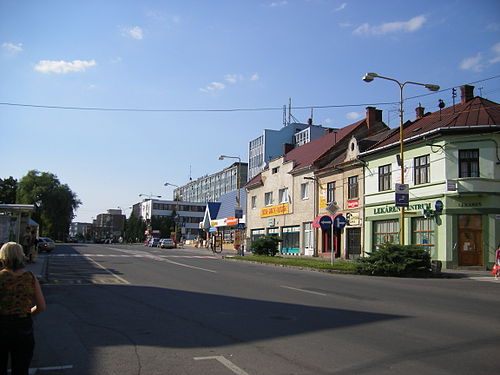
Vranov nad Topľou is a town situated in eastern Slovakia, serving as the administrative and cultural center of the Vranov nad Topľou District. With a population of approximately 21,000 residents, it is the largest town in the district and is located near the confluence of the Topľa River and the Ondava River. The town's geographical position provides easy access to various surrounding natural attractions, including the beautiful Slánske Hills and the wider region of historical significance. Vranov nad Topľou has a rich cultural heritage, influenced by various historical periods, including the Middle Ages. The area has seen the rise and fall of various ruling powers, including the Ottomans and the Austro-Hungarians, all of which have left their mark on the local architecture and culture.
The history of Vranov nad Topľou can be traced back to the 12th century, making it one of the older settlements in Slovakia. The town is known for its charming mixture of Gothic, Renaissance, and Baroque architecture, with notable landmarks such as the Church of St. Nicholas and the former castle, which dates back to the 17th century. The castle, now in ruins, adds a historical ambiance to the town. Vranov nad Topľou is characterized by its vibrant community life, with various cultural events, festivals, and an active theater that showcase local traditions and talents. Additionally, the town serves as an educational hub, hosting primary and secondary schools as well as leisure activities that promote youth engagement.
Economically, Vranov nad Topľou has transitioned from traditional industries to a more diversified economic landscape that includes manufacturing, agriculture, and services. The town has seen development in commerce, with small businesses and local markets contributing to its economy. Its strategic location on key transport routes enhances its connectivity to larger cities such as Prešov and Košice, facilitating trade and commerce. The town also attracts visitors for its proximity to recreational areas where outdoor activities like hiking and cycling can be enjoyed. Overall, Vranov nad Topľou encapsulates the essence of a Slovak town that harmoniously blends history, culture, and modern economic life.
Facts about Vranov nad Topľou
- Vranov nad Topľou is known for its unique architectural blend that includes buildings from various historical periods, showcasing influences from Gothic, Renaissance, and Baroque styles.
- The city sits on the banks of the Topľa River, which has played a vital role in its history and development, particularly in trade and transportation.
- Vranov nad Topľou features the iconic Church of St. Nicholas, built in the 18th century, known for its stunning baroque architecture and beautifully preserved interior.
- The city is home to the Vranov Castle, a prominent historical site that dates back to the 13th century and offers panoramic views of the surrounding landscape.
- Vranov nad Topľou hosts the ‘Vranov Cultural Summer’ festival each year, celebrating local traditions, music, and dance, attracting visitors from across the region.
- The city has a rich industrial heritage, notably in textile and woodworking industries, contributing significantly to its economic development in the 19th and 20th centuries.
- Vranov is located near the picturesque Zemplínska Šírava, one of Slovakia's largest water reservoirs, making it a popular destination for water sports and recreation.
- The area surrounding Vranov nad Topľou is rich in natural resources, leading to its historical significance in agriculture and forestry.
- The city is known for its diverse cultural events and has a strong tradition of folk music and dance, reflecting the local Slovak traditions.
- Vranov nad Topľou has a growing educational sector, with various schools and institutions fostering learning and skills development within the local community.