Vratsa, Bulgaria
- 64,941 people
- 7 places to visit
- 43.2102, 23.5529
Places to Visit (7)
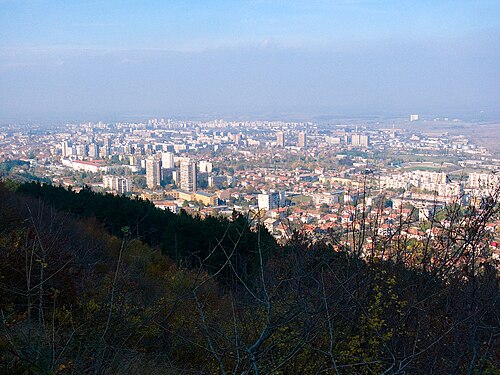
Vratsa is a city located in northwestern Bulgaria, serving as the administrative center of Vratsa Province. Positioned at the foothills of the Balkan Mountains, approximately 100 kilometers northwest of the capital, Sofia, Vratsa lies along the banks of the Leva River. The city has a rich historical legacy, with traces of habitation stretching back to the Thracians, followed by its development under Roman rule, when it was known as Vratitsa. Today, Vratsa boasts a diverse architectural heritage, showcasing a mix of ancient churches, Ottoman mosques, and modern structures. The local economy historically thrived on agriculture and industry, but in recent decades, the focus has shifted towards trade, services, and tourism.
The natural surroundings of Vratsa are one of its most notable features. The nearby Vratsa Balkan Nature Park offers a range of outdoor activities, including hiking, rock climbing, and wildlife observation. One of the prominent landmarks is the peak of Vihren, known for its breathtaking views and geological significance. In addition to natural attractions, Vratsa is home to numerous cultural and historical sites, such as the Church of St. Paraskeva and the Vratza Regional Museum, which hosts valuable collections reflecting the region's history from ancient times to the modern era. The city also holds various cultural events, including folklore festivals and art exhibitions, celebrating both local traditions and contemporary Bulgarian culture.
Vratsa’s population is around 50,000 residents, who take pride in their local identity and historical roots. The city possesses a vibrant community spirit, with numerous educational institutions, healthcare facilities, and recreational spaces enhancing the quality of life for its inhabitants. Over the years, Vratsa has faced challenges, particularly in the realm of economic transition and urban development. Nevertheless, its natural beauty, historical significance, and cultural richness continue to attract visitors and researchers alike, making it an essential part of Bulgaria’s landscape.
Facts about Vratsa
- Vratsa is situated at the foothills of the Vrachanska Mountain, making it a gateway for outdoor enthusiasts and nature lovers.
- The city is known for the Ledenika Cave, which is famous for its stunning stalactite formations and is one of Bulgaria's most visited caves.
- Vratsa played a significant role in the Bulgarian National Renaissance, with prominent figures like the revolutionary Hristo Botev being associated with the region.
- The city hosts the annual 'Festivals of Cultural Heritage' which celebrates traditional Bulgarian music, dance, and crafts.
- Vratsa’s historical significance is highlighted by its preserved Ottoman-era architecture, making it unique among Bulgarian cities.
- One of the most recognized landmarks is the Vratsata gorge, a popular hiking area known for its dramatic cliffs and scenic beauty.
- Vratsa has been the site of various battles throughout history, especially during the uprisings against Ottoman rule, adding to its historical depth.
- The city is home to the Church of St. John the Baptist, which features beautiful frescoes and is a quintessential example of Bulgarian Orthodox architecture.
- Vratsa is known for its vibrant arts scene, including galleries and theaters that showcase local talent and Bulgarian cultural heritage.
- The city is part of the traditional folklore region and participates in various folklore festivals, preserving the rich cultural traditions of Bulgaria.