Vryburg, South Africa
- 49,588 people
- 9 places to visit
- -26.9514, 24.7334
Places to Visit (9)
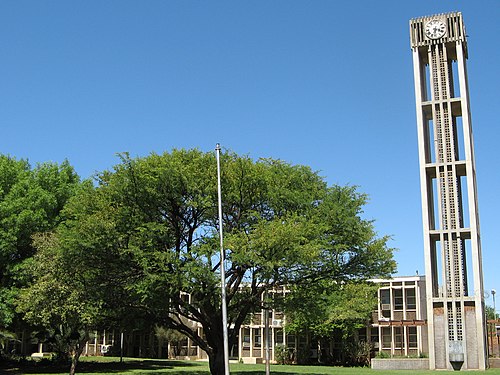
Vryburg is a town located in the North West Province of South Africa, positioned within the Bophirima district. It was founded in 1882 and has since developed into a prominent agricultural and commercial center in the region. The town's name, which means "Free Fort," references its historical significance as a fortified settlement during a time when the area was contested by various groups, including European settlers and indigenous populations. Vryburg served as the capital of the former Boer Republic of the Western Transvaal and played a crucial role in the history of the Boer War, reflecting the complex socio-political landscape of the late 19th and early 20th centuries.
Economically, Vryburg is known for its productive agricultural activities, primarily centered around cattle ranching and crops such as maize and sorghum. The town acts as a vital service hub for surrounding farming communities, offering a range of facilities, including markets, shops, and educational institutions. Vryburg also stands out for its location along the N18 national route, which enhances its accessibility and facilitates economic interactions with major urban centers in the region. The local economy is complemented by tourism, where visitors can explore historical sites, such as the Vryburg Museum and various monuments that celebrate the town’s heritage. This combination of agriculture, commerce, and historical significance contributes to the unique character of Vryburg, making it an essential part of South Africa’s diverse landscape.
Facts about Vryburg
- Vryburg is known as the 'Chicago of the North' due to its historical significance in the cattle trading industry, which elevated its economic status in the late 19th century.
- The city was founded in 1882 and became a key town for the Boer Republic of the South African Republic (Transvaal) before the British annexed it in 1885.
- Vryburg is home to the Vryburg Museum, which showcases the rich cultural and historical heritage of the area, including artifacts from the Anglo-Boer War.
- The city hosts the Vryburg Agricultural Show, which is one of the oldest agricultural shows in the region, celebrating local farming and livestock.
- Vryburg serves as a crucial transport hub, located at the intersection of major roads connecting Johannesburg and the southern parts of Botswana.
- The town features the historic Vryburg Railway Station, which is an example of colonial architecture and played an important role in the area's transport history.
- Vryburg has a flourishing game farming industry, making it a popular destination for wildlife tourism and people seeking big game hunting experiences.
- It has a unique cultural blend, evidenced by its diverse communities, including Afrikaners, Tswana, and other ethnic groups coexisting.
- Vryburg is situated in the North West Province of South Africa, characterized by its flat landscapes and proximity to the Kalahari Desert.
- The city has a reputation for having a low crime rate compared to other urban areas in South Africa, making it a relatively safe living environment.