Vukovar, Croatia
- 22,255 people
- 11 places to visit
- 45.3452, 19.001
Places to Visit (11)
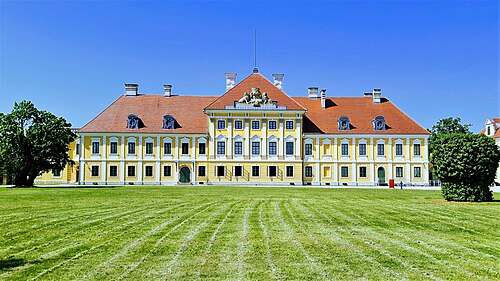
Vukovar is a city located in eastern Croatia, situated at the confluence of the Vuka River and the Danube River. It is the administrative center of Vukovar-Syrmia County and an important cultural and economic hub in the region. With a population of approximately 25,000 people, the city is known for its diverse history and significant architectural heritage. Historically, Vukovar has been a melting pot of various cultures, influenced by different empires and ethnic groups, including the Romans, Ottomans, and Austro-Hungarians. This rich tapestry is reflected in the city’s architecture, which features a blend of styles, from baroque to modernist buildings.
Vukovar gained international prominence during the Croatian War of Independence in the early 1990s, when it was the site of a prolonged siege by the Yugoslav People’s Army and Serb paramilitary forces. The siege lasted from August 1991 until November 1991, resulting in extensive destruction and significant loss of life. After the war, Vukovar was left in ruins, but it has since undertaken a remarkable reconstruction effort, symbolizing resilience and the spirit of recovery. Today, visitors can see restored landmarks such as the Vukovar Water Tower, a poignant symbol of the city’s struggle, and the Eltz Manor, which showcases the region’s historical wealth. The city is also home to numerous memorials and museums, including the Vukovar Memorial Cemetery and the Museum of Slavonia, which serve as reminders of its turbulent past while celebrating its cultural identity and the ongoing process of healing.
In modern times, Vukovar has reinvigorated its economy through various means, including tourism, agriculture, and light industry. The city hosts events and festivals that promote local traditions and crafts, contributing to the growing interest among travelers seeking to explore Croatia's rich history beyond its more popular destinations. Vukovar's revitalized infrastructure and community spirit reflect both a deep respect for its historical legacy and an optimistic vision for the future, making it a unique and important part of Croatia's cultural landscape.
Facts about Vukovar
- Vukovar is known for the Vukovar Water Tower, a symbol of the city that was heavily damaged during the Croatian War of Independence, now preserved as a monument.
- The city is famous for the Vukovar Film Festival, which showcases regional films and promotes cultural exchange.
- Vukovar was the site of the Battle of Vukovar in 1991, one of the most significant and devastating battles during the Croatian War of Independence.
- The city is home to the impressive Eltz Manor, a neo-Renaissance palace built in the late 19th century that now hosts a museum and cultural events.
- Vukovar's memorial sites, such as the Memorial Cemetery of Victims of the War and the nearby Tulip Cemetery, honor the lives lost during the war and attract visitors for reflection.
- The Vuka River, which flows through Vukovar, is known for its unique biodiversity, making the area an important ecological site.
- Vukovar hosts the annual ‘Vukovar Srijem Cultural Summer’, a festival celebrating local traditions, arts, and crafts.
- The city is distinct for its baroque and neoclassical architecture, particularly evident in buildings around the city center.
- Vukovar's status as a border town has historically fostered a multicultural atmosphere, having been influenced by various ethnic groups over centuries.
- Vukovar is recognized as a UNESCO World Heritage site candidate due to its unique cultural landscape and rich history.