Wādī as Sīr, Jordan
- 181,212 people
- 11 places to visit
- 31.9566, 35.8472
Places to Visit (11)
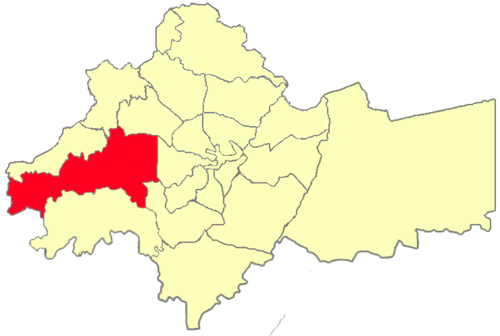
Wādī as Sīr is a city located on the outskirts of Amman, the capital of Jordan. This urban area is part of the Amman Governorate and has been characterized by its rapid growth and development, particularly in recent decades. Historically, Wādī as Sīr was primarily known for its agricultural land and pastoral lifestyle, but increased urbanization has transformed it into a vibrant suburban community. The city's population has surged, driven by both local residents and those moving from rural areas in search of better economic opportunities.
The city's landscape reflects its blend of traditional and modern influences. Wādī as Sīr features a mix of residential neighborhoods, commercial areas, and educational institutions, making it a significant hub for families and young professionals alike. The economy here has diversified, with many residents engaged in various sectors including trade, education, and services. Local markets and shopping centers serve the community, while recreational spaces have been developed to accommodate the growing population. Despite the influx of modern developments, Wādī as Sīr remains connected to its roots, with remnants of its agricultural past still visible in some areas.
Wādī as Sīr is well-connected to Amman and the surrounding regions through a network of roads and public transportation, making it an accessible location for commuters. Its proximity to the capital allows residents to enjoy the benefits of an urban lifestyle while maintaining a quieter suburban atmosphere. Cultural and social activities are prevalent, with community events and festivals celebrated throughout the year. This blend of development, community spirit, and accessibility makes Wādī as Sīr a notable example of Jordan's ongoing urban transformation.
Facts about Wādī as Sīr
- Wādī as Sīr is known for its rich Bedouin heritage, showcasing a unique blend of cultural influences that set it apart from other Jordanian cities.
- The city is located close to the capital, Amman, making it a significant residential area for those who work in the capital while enjoying a more rural lifestyle.
- Wādī as Sīr is home to several archaeological sites, including ancient ruins that reflect the city's long history and its role in the region during various historical periods.
- The city is famous for its traditional handicrafts, particularly pottery and weaving, which have been passed down through generations.
- Wādī as Sīr hosts local fairs and festivals that celebrate Jordanian culture, offering a platform for artisans to showcase their work and promote local traditions.
- The city's agricultural landscape, characterized by terraced farming, is notable for producing a variety of local crops, including olives and figs.
- Wādī as Sīr features stunning natural landscapes and valleys, making it a popular destination for hiking and outdoor activities among both locals and tourists.
- The city is less commercialized compared to larger Jordanian cities like Amman, providing a more authentic experience of Jordanian life.
- Wādī as Sīr holds historical significance due to its strategic location along trade routes, which have influenced its development through the centuries.
- The community in Wādī as Sīr is known for its hospitality and strong sense of local identity, contributing to a welcoming atmosphere for visitors.