Wageningen, Netherlands
- 35,433 people
- 12 places to visit
- 51.9692, 5.6654
Places to Visit (12)
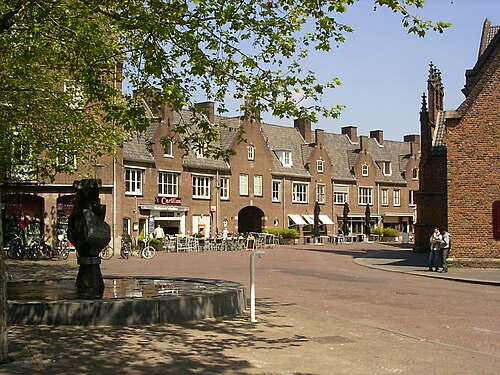
Wageningen is a city in the central Netherlands, situated in the province of Gelderland, known for its rich agricultural research and vibrant academic community. With a population of approximately 38,000 residents, it is recognized for its commitment to sustainability and environmental science. The city is home to Wageningen University & Research, a globally acclaimed institution that specializes in life sciences, agricultural studies, and food security. Established in 1918, the university has gained a prominent reputation and attracts students and researchers from around the world, significantly contributing to the local economy and culture.
The city's history dates back to the Middle Ages, and it has retained its charm with a blend of historical and modern architecture. The most notable landmark is the Aula of the university, designed by the architect J.J.P. Oud, showcasing the city's role in higher education and innovation. Wageningen also played a significant part in World War II; it was in this city that German forces surrendered to the Allies in May 1945, marking the end of the war in the Netherlands. The National Liberation Museum near Wageningen commemorates this pivotal moment in history. Additionally, the city boasts several parks, botanical gardens, and the nearby Veluwe National Park, offering both residents and visitors ample outdoor recreational opportunities.
Wageningen's economy is anchored in its agricultural sector, research institutions, and innovative startups focusing on food technology and sustainability. This emphasis on agriculture extends to the local community, where farmers' markets, local produce shops, and eco-friendly initiatives thrive. The city's restaurants often showcase locally sourced ingredients, reflecting Wageningen's commitment to sustainable practices. As a result, Wageningen not only serves as an academic hub but also as a model for sustainable living, making it an attractive destination for those interested in ecology, agriculture, and community-oriented lifestyles. With strong ties to its educational institutions and a historical backdrop, Wageningen continues to evolve while remaining deeply connected to its roots.
Facts about Wageningen
- Wageningen is home to Wageningen University & Research, one of the top global institutions focused on life sciences and agricultural research.
- The city played a crucial role in World War II, serving as the location where the German High Command signed the surrender documents in May 1945.
- Wageningen is known for its beautiful Arboretum Belmonte, a botanical garden that features diverse collections of trees and plants from around the world.
- The municipality is situated on the Utrechtse Heuvelrug, providing diverse landscapes that include hills, forests, and waterways, which is unusual in the largely flat Netherlands.
- Wageningen hosts the International Agricultural Fair, showcasing innovations in agricultural technology and sustainable practices, attracting visitors from around the world.
- The city has a significant student population due to its university, giving it a vibrant atmosphere with numerous cultural events and a bustling nightlife.
- Wageningen is recognized for its focus on sustainability; many initiatives are in place aimed at promoting green living, including extensive bike paths and renewable energy projects.
- The city is the birthplace of the agrarian journalist and advocate for sustainable farming practices, Gert Jan Schuiling, who significantly influenced modern Dutch agriculture.
- Wageningen houses several research institutes that specialize in water management, climate change, and food security, making it a hub for environmental studies.
- The annual Wageningen International Film Festival showcases films related to agriculture, food systems, and environmental issues, attracting filmmakers and audiences dedicated to the genre.