Wągrowiec, Poland
- 24,428 people
- 8 places to visit
- 52.8085, 17.1997
Places to Visit (8)
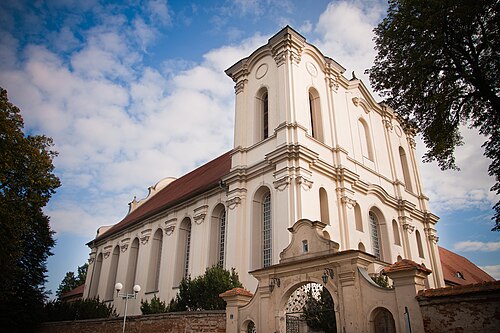
Wągrowiec is a town located in northwestern Poland, serving as the administrative center of Wągrowiec County in the Greater Poland Voivodeship. With a rich history that dates back to the early Middle Ages, Wągrowiec was first mentioned in historical records in 1250. The town has gradually developed over the centuries, and by the 14th century, it had begun to gain significance due to its location along significant trade routes. This development is reflected in the town's architectural heritage, which showcases a blend of Gothic, Renaissance, and Baroque styles. Notably, the Church of St. John the Baptist, a prime example of Gothic architecture, stands as a historical landmark and testament to the town's long-standing religious traditions.
Wągrowiec is situated near several lakes and forests, making it an attractive destination for outdoor enthusiasts and those seeking leisure activities. The surrounding natural landscape offers opportunities for hiking, biking, and water sports, drawing visitors to its picturesque environment. Additionally, the town is home to a variety of cultural events and festivals that celebrate local traditions and engage the community. Economy-wise, Wągrowiec has a diverse base, with small to medium-sized enterprises predominantly driving local commerce. The town also hosts several educational institutions, contributing to its vibrant community and fostering a young population. Overall, Wągrowiec blends historical charm with modern amenities, making it a notable location within Poland's Greater Poland region.
Facts about Wągrowiec
- Wągrowiec is known for its historical connections to the Cistercian monks who established a monastery in the area in the 12th century, significantly influencing local culture and economy.
- The town features the Gothic-style St. Bartholomew's Church, dating back to the 14th century, which showcases unique architectural elements distinct to this region of Poland.
- Wągrowiec is situated near the picturesque Wągrowieckie Lake, which is a popular destination for water sports and recreational activities, setting it apart from many other Polish towns.
- The city's market square is a central hub of activity and contains well-preserved pre-war buildings, offering a glimpse of the town's architectural heritage.
- Wągrowiec hosts the annual Wągrowiec Coast Festival, celebrating local traditions, music, and culinary delights, fostering community spirit and cultural exchange.
- The town is home to the Wągrowiec Cultural Center, which organizes diverse events and performances, promoting local artists and cultural initiatives.
- Wągrowiec is known for its production of traditional handmade pottery, a craft that dates back several centuries and remains a significant part of its local economy.
- In 1829, Wągrowiec became one of the first towns in Poland to have a railway connection, reflecting its historical significance in transportation development.
- The nearby forested areas are a protected nature reserve called the 'Puszcza Notecka', offering unique flora and fauna not commonly found in other parts of Poland.
- The town played a role in the industrial revolution in Poland, particularly in the production of textiles, which contributed to its economic development in the 19th century.