Wałbrzych, Poland
- 127,431 people
- 10 places to visit
- 50.784, 16.2843
Places to Visit (10)
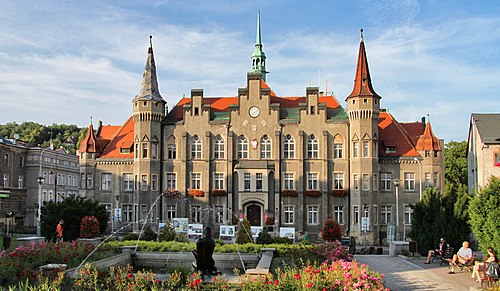
Wałbrzych is a city located in southwestern Poland, situated in the Lower Silesian Voivodeship and nestled within the scenic landscape of the Sudetes mountains. Historically, it developed as a mining town, primarily known for coal mining, which significantly contributed to its economic growth and demographic expansion from the mid-19th century onwards. At its peak, Wałbrzych became one of the largest coal mining centers in Poland. However, after the decline of the coal industry in the late 20th century, the city faced economic challenges, leading to a transformation in its industrial base and a shift towards other sectors, including services and small-scale manufacturing.
Vałbrzych is characterized by its rich cultural heritage, which is reflected in its architecture and local attractions. The city is home to several historical sites, including the beautiful Czocha Castle and the former palace of the von Hochberg family, now known as the Wałbrzych Palace. It also boasts a variety of museums, such as the Museum of Porcelain, which highlights the city’s historical connection with ceramics and porcelain production. With its picturesque parks and proximity to natural attractions, Wałbrzych offers residents and visitors access to outdoor recreational activities, including hiking and skiing in the nearby mountains. Additionally, the city has launched various initiatives aimed at revitalizing its economy, improving infrastructure, and enhancing the overall quality of life for its inhabitants, making it an increasingly attractive destination for tourism and business.
Facts about Wałbrzych
- Wałbrzych is known for its rich history in coal mining, which played a significant role in its economic development during the 19th and 20th centuries.
- The city is home to the Palm House in the Park Sobieskiego, a unique botanical garden featuring tropical plants and a picturesque landscape.
- Wałbrzych has the largest collection of neo-Gothic architecture in Poland, with notable buildings such as the St. George's Church.
- The city hosts the Wałbrzych International Film Festival, promoting independent cinema and showcasing filmmakers from around the world.
- Wałbrzych is known for its renowned ceramic industry, with local products recognized for their quality and artistry.
- The underground tourist route in the former Mine 'Julia' showcases the history of coal mining and has become a popular tourist attraction.
- The city is located near the Książ Landscape Park, which features the stunning Książ Castle, one of Poland's largest castles with a fascinating history.
- In the 1940s, Wałbrzych played a part in the post-war industrialization of Poland, with numerous factories and production facilities established.
- Wałbrzych has a vibrant cultural scene, hosting regular concerts, exhibitions, and events that celebrate its diverse heritage.
- The city is renowned for its beautiful mountain landscapes and outdoor recreation opportunities in the nearby Sudetes mountains.