Waliso, Ethiopia
- 78,600 people
- 1 places to visit
- 8.5398, 37.9721
Places to Visit (1)
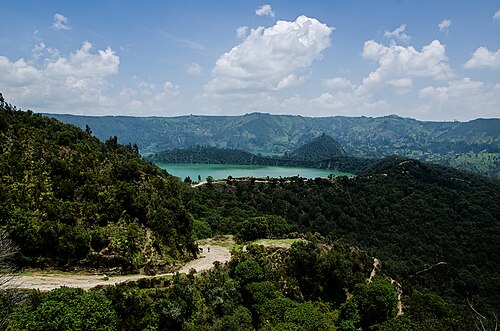
Waliso is a vibrant city located in the Oromia Region of Ethiopia, approximately 114 kilometers southwest of the capital city, Addis Ababa. As the capital of the Oromia Zone, Waliso serves as an important cultural and commercial hub for the surrounding areas. The city, which has undergone significant development in recent years, boasts a mix of modern amenities and traditional Ethiopian culture, attracting both locals and visitors alike. The population of Waliso is diverse, predominantly consisting of the Oromo ethnic group, along with other ethnic communities that contribute to the city's rich cultural tapestry.
Historically, Waliso, known in the past as Gohatsion, has been significant for its agricultural production, benefiting from the fertile lands around the city. The area's economy is primarily based on subsistence farming, with crops such as coffee, grains, and vegetables playing a crucial role in both local and national markets. The city is also known for its proximity to various natural attractions, including the scenic landscapes of the nearby Bishoftu (Debre Zeyit) lakes, which are popular for recreation and tourism. These natural resources, combined with the cultural heritage of the Oromo people, enhance Waliso's appeal, making it an attractive destination for both tourists and researchers interested in the unique customs, music, and art forms of the region.
Transportation infrastructure in Waliso has improved in recent years, with better road connections to Addis Ababa and other nearby cities facilitating trade and commerce. The city's development has also included improvements in education and health services, with numerous schools and healthcare facilities established to serve the growing population. Despite facing challenges typical of urban growth, such as managing resources and providing services to residents, Waliso continues to evolve, reflecting the dynamism and resilience of Ethiopian urban centers. Overall, Waliso is a city that embodies the cultural richness and economic potential of Ethiopia, representing a microcosm of the nation's vibrant history and contemporary aspirations.
Facts about Waliso
- Waliso, known for its temperate climate, is situated in the Oromia Region of Ethiopia, making it a popular destination for those seeking a cooler environment compared to other parts of the country.
- The city is recognized for the cultural diversity of its inhabitants, primarily consisting of the Oromo people, and is a hub for traditional Oromo music and dance.
- Waliso is home to the historical and archaeological site of the Yerer Mountains, which are believed to have been vital places during the early civilizations in the region.
- The city has a unique agricultural profile, particularly known for its high-quality coffee production, especially in the surrounding areas with suitable growing conditions.
- Waliso hosts an annual cultural festival known as the 'Irreecha', celebrated by the Oromo people to give thanks for the year’s harvest and to pray for good fortune in the coming year.
- The city's strategic location along the main road connecting Addis Ababa to the southwestern regions of Ethiopia contributes to its growing role as a trade and transportation hub.
- Waliso features the beautiful Lake Dambal, a natural attraction known for its scenic views and significance to local wildlife, making it a rare ecological spot in the region.
- The city has seen a significant increase in educational opportunities, including the establishment of numerous schools and institutions that cater specifically to the Oromo language and culture.
- Waliso was once a site for important livestock trade, contributing to both the local economy and cultural practices related to herding and agriculture.
- The city has developed a reputation for hosting a variety of community-driven initiatives aimed at sustainable tourism, highlighting local crafts and traditions that are often overshadowed by larger Ethiopian cities.