Waltrop, Germany
- 30,220 people
- 6 places to visit
- 51.6222, 7.4006
Places to Visit (6)
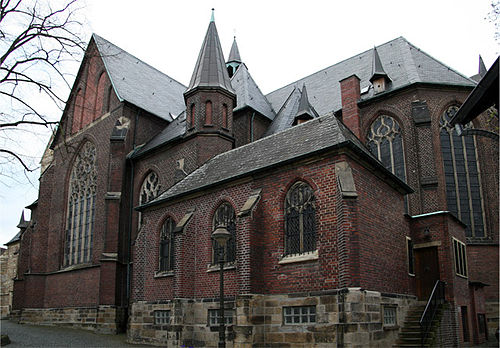
Waltrop is a town situated in the North Rhine-Westphalia region of Germany, specifically within the district of Recklinghausen. With a population of approximately 29,000 residents, it is known for its charming blend of industrial history and suburban atmosphere. Waltrop lies along the banks of the Datteln-Hamm Canal, which has played a crucial role in its development since the late 19th century. The town's strategic location, near the larger cities of Dortmund and Essen, has made it an attractive area for both residents and businesses alike.
Historically, Waltrop's economy was heavily based on coal mining, which flourished throughout the 19th and early 20th centuries. The decline of the coal industry led to significant changes in the town's economic landscape, prompting diversification into other sectors. Today, Waltrop is home to various small and medium-sized enterprises, with a focus on manufacturing, retail, and services. The town boasts a number of community amenities, including parks, schools, and cultural venues, fostering a strong sense of community among its residents. The local government promotes initiatives to enhance quality of life, such as environmental sustainability and the preservation of historical sites.
In addition to its economic and historical significance, Waltrop offers recreational opportunities and cultural experiences. The town features numerous walking and cycling paths, making it easy for residents and visitors to explore its scenic surroundings. Local festivals and events, such as the annual Christmas market, celebrate the town's culture and bring the community together. Overall, Waltrop exemplifies a harmonious balance between its industrial past and a vibrant, community-oriented present, making it an engaging place for both residents and visitors.
Facts about Waltrop
- Waltrop is known for its unique industrial heritage, particularly in coal mining, which shaped the town's development and economy in the 19th and 20th centuries.
- The city is home to the 'Machinenhaus', a preserved machine house from the old mining operations, showcasing the history of coal mining in the region.
- Waltrop hosts the annual 'Waltroper Stadtfest', a vibrant city festival that celebrates local culture, food, and community solidarity.
- The city features the historic 'Evangelische Kirche', a Protestant church built in the late 19th century, known for its impressive stained-glass windows.
- Waltrop is situated at the confluence of the Lippe and the Rhine-Herne Canal, making it an important industrial and transportation hub in the Ruhr area.
- The town is famous for the 'Waltroper Weinfest', a wine festival that emphasizes the local wine culture and celebrates regional wineries.
- Waltrop has a rich biodiversity in its surrounding areas, particularly in the nearby natural reserves, distinguishing it from many urban centers.
- The 'Alte Schule' in Waltrop is a historical building that once served as a school and is now used for various cultural events and gatherings.
- Waltrop is also recognized for its commitment to sustainability and has implemented various green initiatives to promote environmental awareness.
- The city’s unique mix of urban and rural landscapes offers residents and visitors a contrasting experience, with parks, gardens, and historical architecture.