Wanju, South Korea
- 84,009 people
- 2 places to visit
- 35.9226, 127.223
Places to Visit (2)
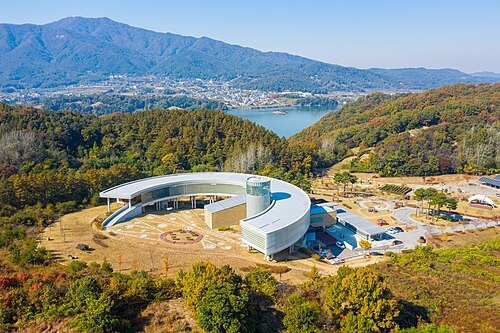
Wanju is a city located in North Jeolla Province, South Korea. Situated approximately 140 kilometers south of Seoul, Wanju is part of the Jeonju Metropolitan City area, which also includes Jeonju, the provincial capital. The city covers an area of around 671 square kilometers and has a population of approximately 150,000 residents. With its rich history, vibrant culture, and picturesque landscapes, Wanju offers a blend of urban and rural living, marked by both modern developments and traditional Korean elements.
Historically, Wanju has roots dating back to the Three Kingdoms period, and archaeological findings in the region hint at its long-standing significance. The city is known for its historical sites, such as the Wanju Museum and various ancient tombs, which showcase artifacts that tell the story of its past. Wanju is also recognized for its beautiful natural surroundings, including scenic mountains and parks, which attract visitors looking for recreational activities and relaxation. The city benefits from its proximity to Jeonju, renowned for its food culture, particularly bibimbap and traditional Hanok villages, making Wanju an attractive living area for those who wish to enjoy both tranquility and the conveniences of urban life.
In recent years, Wanju has been undergoing considerable development, with initiatives aimed at improving infrastructure and enhancing quality of life for its residents. This includes investments in educational facilities, healthcare services, and technology parks, aiming to cultivate a sustainable and innovative environment. The local government is focused on promoting eco-friendly policies and preserving the natural beauty of the area, leading to a healthier community. As Wanju continues to grow and modernize, it maintains a unique charm that embodies both the historical richness of South Korea and the dynamic challenges of contemporary urbanization.
Facts about Wanju
- Wanju is known for its historical significance as the location of the ancient Baekje Kingdom, one of the Three Kingdoms of Korea.
- The city features the Wanju Hanok Village, a preserved traditional Korean village that showcases the unique architectural style and culture of the region.
- Wanju is home to the beautiful Mireuksan Mountain, which is popular for hiking and offers stunning views of the surrounding landscape.
- The city hosts the Wanju Natural Green Expo, an event that emphasizes sustainable living and eco-friendly practices, attracting visitors from all over South Korea.
- Wanju is renowned for its local agricultural products, particularly apples and mushrooms, which are celebrated in various festivals and markets throughout the year.
- The Wanju Museum of Art features contemporary and traditional Korean art, promoting local artists and their connection to the region's cultural heritage.
- This city is part of South Korea's 'Green City' initiative, focusing on environmental sustainability and promoting green spaces for residents and visitors alike.
- Wanju has been recognized for its advanced infrastructure development, particularly in transportation, enhancing connectivity to nearby cities like Jeonju.
- The city has a number of Buddhist temples, including the historic Beolgyo Temple, which reflects the spiritual heritage of the region.
- Wanju is often less crowded than larger cities in South Korea, offering a more tranquil environment while still being close to urban amenities.