Wanxian, China
- 859,662 people
- 2 places to visit
- 30.8079, 108.4087
Places to Visit (2)
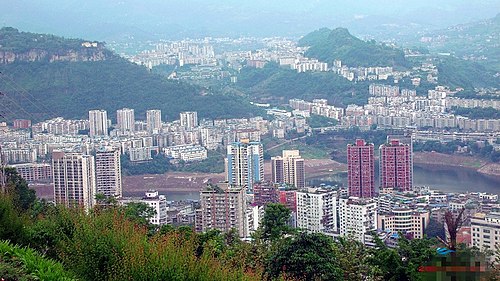
Wanxian, officially known as Wanzhou, is a district in the municipality of Chongqing, China. Historically significant, Wanxian lies at the confluence of the Jialing and Yangtze Rivers, an area that has been populated for thousands of years. The district’s strategic location has fostered its development as a transportation and commercial hub in the region. Wanxian was once an important river port during the Ming and Qing dynasties and served as the gateway for trade and culture between the interior of China and the river towns.
As an administrative district, Wanxian covers an area of approximately 3,000 square kilometers and has a population of over 1 million people. The region is characterized by mountainous terrain interspersed with valleys, and it experiences a humid subtropical climate, which has encouraged agriculture, particularly the cultivation of rice, citrus fruits, and tobacco. The local economy has diversified over the years; while agriculture remains significant, the development of industries such as manufacturing, metallurgy, and tourism has also become crucial. Wanxian is celebrated for its natural beauty, with landmarks such as the picturesque Three Gorges and the surrounding mountains, drawing visitors interested in outdoor activities and cultural heritage. The district is also known for its rich cultural history, with numerous ancient temples and relics reflecting the area’s diverse traditions.
In recent years, the Chinese government's efforts to improve infrastructure have played a vital role in boosting Wanxian’s profile. Roads, bridges, and public transportation networks have been enhanced, making the district more accessible. Moreover, Wanxian's position as a transport hub has been further strengthened by the Yangtze River's development, promoting both cargo shipping and passenger services. This connectivity provides opportunities for economic growth and elevates Wanxian’s importance in the broader context of Chongqing’s urban development. With its unique blend of cultural heritage and evolving economic landscape, Wanxian stands as a significant location in China's modernization narrative.
Facts about Wanxian
- Wanxian, located in Chongqing province, is known for its unique blend of natural beauty and cultural heritage, nestled at the confluence of the Yangtze and Jialing Rivers.
- The city is famous for its historic Wanxian Pagoda, a well-preserved ancient structure that dates back to the Ming Dynasty and offers panoramic views of the surrounding landscape.
- Wanxian hosts a local festival called the Wanxian Lantern Festival, which features elaborate lantern displays and traditional performances, attracting thousands of visitors each year.
- The area surrounding Wanxian is known for its rich biodiversity, featuring unique flora and fauna that are rare to find in other parts of China, making it a popular destination for ecotourism.
- Wanxian was an important transportation hub during the construction of the Three Gorges Dam, which significantly influenced its development and growth in the early 21st century.
- The city has a thriving tea culture, with several tea plantations nearby that produce high-quality green tea, distinguishing it from many other urban areas in China.
- Wanxian has a rich historical background as it was a prominent site during the Qing Dynasty and played a crucial role in regional trade, known for being a trading post.
- With a population that exhibits a diverse mix of ethnic groups, Wanxian showcases a variety of local customs, traditions, and languages not commonly found in larger cities.
- The city is also recognized for its efforts in sustainable development, integrating modern technology and environmental practices in urban planning, setting a precedent for cities across China.
- Wanxian is reputed for its unique local cuisine, particularly Wanxian-style fish and spicy hotpot, which showcase the flavors of the Sichuan region but with its own distinctive twist.