Warabi, Japan
- 75,614 people
- 6 places to visit
- 35.8256, 139.6798
Places to Visit (6)
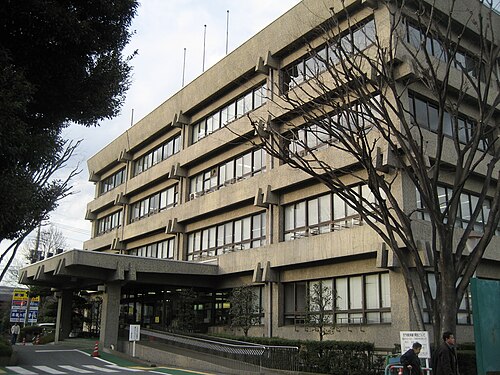
Warabi is a city located in Saitama Prefecture, Japan, forming part of the Greater Tokyo Area. Situated just north of Tokyo, it is bordered by the cities of Musashino, Saitama, and Kawaguchi, making it a suburban area with strong connectivity to the capital. With a population of over 70,000 residents, Warabi is relatively small compared to neighboring cities but is known for its vibrant community and urban amenities. The city covers an area of approximately 6.06 square kilometers and has a well-developed infrastructure that includes convenient access to public transportation options such as the JR East Warabi Station, which connects it directly to central Tokyo and other key areas in the region.
The history of Warabi dates back to ancient times, with archaeological finds indicating human settlement in the area. It was officially designated as a city in 1964, and since then, it has undergone significant development and modernization. Warabi is characterized by a mix of residential neighborhoods, shopping areas, and parks, reflecting a balance between urban living and green space. The city's economy is supported by a variety of small and medium-sized enterprises, retail shops, and local services. Additionally, Warabi hosts several cultural and recreational facilities, such as museums, sports centers, and public parks, promoting community engagement and quality of life for its residents. Celebrations and events throughout the year, including traditional festivals, further enhance the city's cultural atmosphere, making Warabi a unique and welcoming place in the heart of Japan.
Facts about Warabi
- Warabi is known for its unique city symbol, the Warabi flower, which represents the local culture and heritage.
- The city has a distinct blend of traditional and modern attractions, including the Warabi Shrine, which is over 1,200 years old.
- Warabi is one of the cities in Saitama Prefecture that is part of the Greater Tokyo Area, making it a significant commuter hub.
- This city hosts an annual Warabi Festival, where locals celebrate with traditional music, dance, and food, showcasing the region's rich cultural history.
- Warabi is famous for its delicious Warabi-mochi, a traditional sweet made from bracken starch, which attracts food lovers from all over Japan.
- The area experienced rapid urbanization post-World War II, changing its landscape from agricultural land to a bustling urban center.
- Warabi is home to the Yomiuriland amusement park, which is less known compared to others in Japan but offers a variety of fun and unique attractions.
- In terms of education, Warabi boasts several high-ranking schools and is known for its focus on academic excellence.
- The city features a unique railway station, Warabi Station, which serves as a vital transport link and has a notable architectural design.
- Warabi has a community-centric atmosphere and is known for its efforts in promoting sustainable urban living and green spaces.