Washington DC, United States
- 689,545 people
- 19 places to visit
- 38.9072, -77.0369
Places to Visit (19)
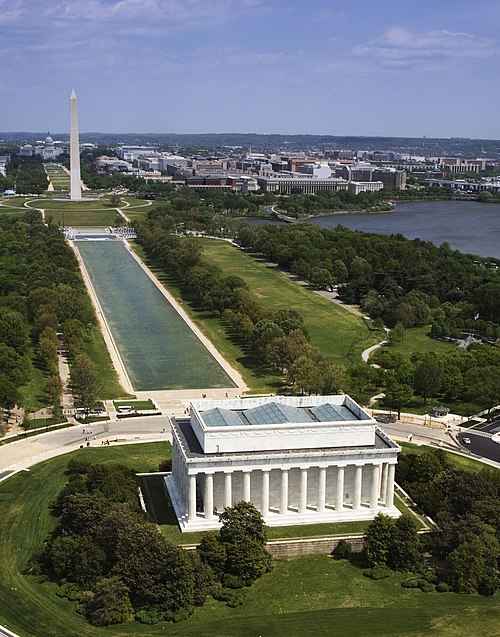
Washington, D.C., officially known as the District of Columbia, serves as the capital of the United States. Established in 1790, it was purposefully created to be the seat of the federal government, situated on the Potomac River between Maryland and Virginia. The city was named after George Washington, the first President of the United States, and “Columbia,” a poetic name for America. Washington, D.C. is not only a political hub but also a cultural and historical center, featuring numerous monuments, museums, and institutions that reflect the nation's history and democratic values. It encompasses three distinct areas: the National Mall, where iconic memorials such as the Lincoln Memorial and Washington Monument are located; the federal government zone, which houses all three branches of government, including the White House and the United States Capitol; and various residential neighborhoods that contribute to the city's vibrant community.
The city has a rich demographic fabric, with a population of over 700,000 residents, not including the significant influx of commuters and tourists who visit daily. Washington, D.C. is known for its diverse culture, featuring an array of neighborhoods, each with its own character, such as Georgetown with its historic architecture and Adams Morgan known for its nightlife and dining scene. Educationally, D.C. is home to several prestigious universities, including Georgetown University and George Washington University, forming a vital part of the city’s identity. Its economy is largely driven by the federal government, but it also boasts a robust service sector, including education, health care, and tourism. The city’s rich array of cultural institutions, such as the Smithsonian Institution, which operates several museums and galleries, further enhance its status as a center for learning and innovation. Washington, D.C. continues to evolve as a global city, reflecting the complexities of the American democratic experience while serving as a symbol of national pride and governance.
Facts about Washington
- Washington, D.C. is not part of any state; it is a federal district created specifically to serve as the nation's capital.
- The city was founded on July 16, 1790, and was designed by French engineer Pierre Charles L'Enfant, who envisioned wide boulevards and large public spaces.
- The National Mall, a central strip of land in the city, is home to iconic monuments including the Lincoln Memorial, the Washington Monument, and the Vietnam Veterans Memorial.
- D.C. is rich in museums, with more than 17 Smithsonian Institution museums including the National Museum of American History and the National Air and Space Museum, which are all free to visitors.
- The White House, the official residence and workplace of the President of the United States, is located at 1600 Pennsylvania Avenue NW.
- Washington, D.C. is unique in having its own police force and fire department dedicated solely to the federal district, separate from those of Maryland and Virginia.
- The city hosts the annual National Cherry Blossom Festival, celebrating the gift of Japanese cherry trees from Tokyo in 1912, which attracts thousands of visitors each spring.
- Washington, D.C. has the highest percentage of educated residents of any major U.S. city, with over 50% of adults holding a bachelor's degree or higher.
- The District of Columbia is home to some of the nation's most important documents, including the U.S. Constitution and the Declaration of Independence, which are housed at the National Archives.
- In D.C., the U.S. Congress meets to make federal laws, and it stands out as one of the few cities in the world where the legislature of a nation is located.