Waterbury CT, United States
- 108,802 people
- 17 places to visit
- 41.5582, -73.0515
Places to Visit (17)
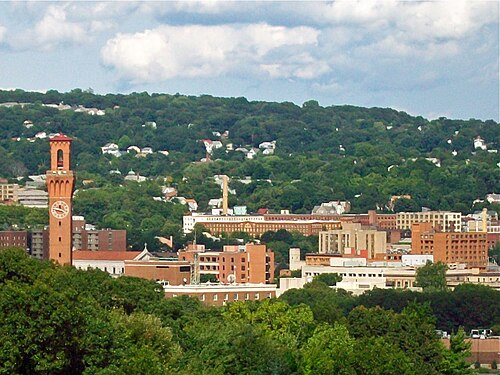
Waterbury, Connecticut, is a city located in New Haven County, known for its rich industrial history and diverse cultural landscape. Established in the early 17th century, Waterbury quickly gained prominence as a hub for manufacturing, particularly in brass and other metal goods. By the late 19th and early 20th centuries, the city became colloquially known as the "Brass City" due to its significant contributions to the brass industry, hosting numerous factories and laborers who fueled the local economy. Waterbury's strategic position along the Naugatuck River and its proximity to major transportation routes further bolstered its development.
Today, Waterbury is a dynamic city that reflects a blend of historical significance and modern revitalization efforts. It is home to a diverse population, with a mix of cultural influences visible in its neighborhoods, festivals, and local cuisine. The city boasts several notable landmarks, including the famous Waterbury Palace Theater, which showcases a range of performances, and the Mattatuck Museum, which highlights the region's history and arts. Additionally, Waterbury's commitment to revitalizing its downtown area has led to a resurgence of local businesses and new residential developments. Despite facing challenges such as economic shifts and population decline in the late 20th century, Waterbury has made strides toward progress, with community initiatives aimed at improving public services, education, and infrastructure that aim to enhance the quality of life for residents and attract visitors.
The city's educational landscape includes institutions such as the University of Connecticut Waterbury campus, providing higher education opportunities and fostering a connection between academia and the local community. Parks and recreational areas, including the scenic Waterbury Green and the sprawling Lakewood Park, offer residents and visitors places for leisure and outdoor activities. With a rich past and an eye towards the future, Waterbury continues to evolve as a vibrant city that honors its heritage while embracing new opportunities for growth and development.
Facts about Waterbury
- Waterbury, known as the 'Brass City', has a rich history in the brass manufacturing industry, playing a significant role in 19th-century industrialization in the United States.
- The city is home to the Waterbury Clock Company, founded in 1857, which was one of the largest clock manufacturers in the country and contributed to the city's reputation for quality craftsmanship.
- Waterbury boasts a remarkable collection of public art, including the famous 'Big-Bellied Glass' sculptures created by artist Thomas McClure, displayed prominently in the downtown area.
- The city is known for its unique architectural heritage, featuring a blend of Victorian, Beaux-Arts, and Art Deco styles, exemplified by landmarks like the Palace Theater and the Waterbury City Hall.
- Waterbury is home to the Mattatuck Museum, which houses a diverse collection of American art and artifacts, highlighting the region's history and culture, making it a key attraction in the city.
- The Waterbury Green, established in 1674, is one of the oldest public squares in the United States and serves as a focal point for community events and gatherings.
- In 1962, Waterbury was the first city in Connecticut to elect an African American to its Board of Aldermen, reflecting its progressive political history.
- The city has a vibrant community theater scene, exemplified by the Seven Angels Theatre, which offers a wide range of performances and contributes to the local arts culture.
- Waterbury is located at the intersection of several major highways, making it a key transportation hub in Connecticut and enhancing its connectivity to larger metropolitan areas.
- The annual Waterbury Arts & Food Festival showcases local talent and cuisine, celebrating the city's diversity while promoting tourism and community engagement.