Waterloo, Belgium
- 29,778 people
- 10 places to visit
- 50.7148, 4.3991
Places to Visit (10)
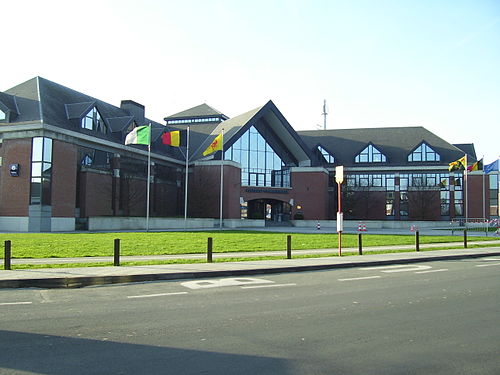
Waterloo is a city located in the province of Walloon Brabant in Belgium, approximately 15 kilometers south of Brussels. The city is best known for its historical significance as the site of the Battle of Waterloo, which took place on June 18, 1815. This decisive battle marked the end of the Napoleonic Wars and led to the defeat of Napoleon Bonaparte, resulting in his exile and the restoration of the Bourbon monarchy in France. The battlefield, now a prominent site of interest, features several monuments, including the Lion's Mound (Butte du Lion), which is a large earthen mound commemorating the troops who fought at the battle. Every year, thousands of visitors come to Waterloo to explore its historical sites, museums, and battle reenactments that reflect its storied past.
The city of Waterloo today is a vibrant community that combines a rich history with modern living. It has a population of around 30,000 residents and offers a mix of suburban and urban lifestyles, making it an attractive place for both locals and expatriates. The city features numerous parks, cultural institutions, and educational facilities, contributing to a high quality of life. Additionally, the area is well-connected by public transport, including the Brussels metro and rail systems, which facilitate easy access to the Belgian capital and surrounding regions. Waterloo also hosts a variety of events throughout the year, celebrating its cultural heritage and community spirit, making it a dynamic place to live and visit. The city embraces its historical legacy while also looking forward to sustainable development and modernization, reflecting the evolving character of this significant location in Belgium's history.
Facts about Waterloo
- Waterloo is best known for the Battle of Waterloo, which took place on June 18, 1815, and marked the end of the Napoleonic Wars.
- The battlefield is now a UNESCO World Heritage site, attracting numerous visitors interested in military history.
- Waterloo features the Lion's Mound (Butte du Lion), a large artificial hill that commemorates the spot where the Prince of Orange was wounded during the battle.
- The town hosts the 'Waterloo 1815' visitor center, which provides a detailed account of the battle through interactive exhibits and historical artifacts.
- Waterloo is also home to the impressive St. Joseph's Church, which contains a statue of the wounded Prince of Orange and serves as a memorial for the battle.
- The town's name has become synonymous with failure or defeat, as in the phrase 'to meet one's Waterloo'.
- Every year, Waterloo commemorates the Battle of Waterloo with reenactments and events during the anniversary weekend.
- Adjacent to the historical sites, the region hosts a variety of parks and outdoor spaces, offering a different kind of attraction compared to more urbanized Belgian cities.
- Waterloo is located just south of Brussels, making it a popular day-trip destination for both locals and tourists looking to escape the capital's hustle and bustle.
- Unlike many Belgian cities known for their medieval architecture, Waterloo's historical significance is primarily linked to the 19th century, focusing on military history rather than architectural heritage.